
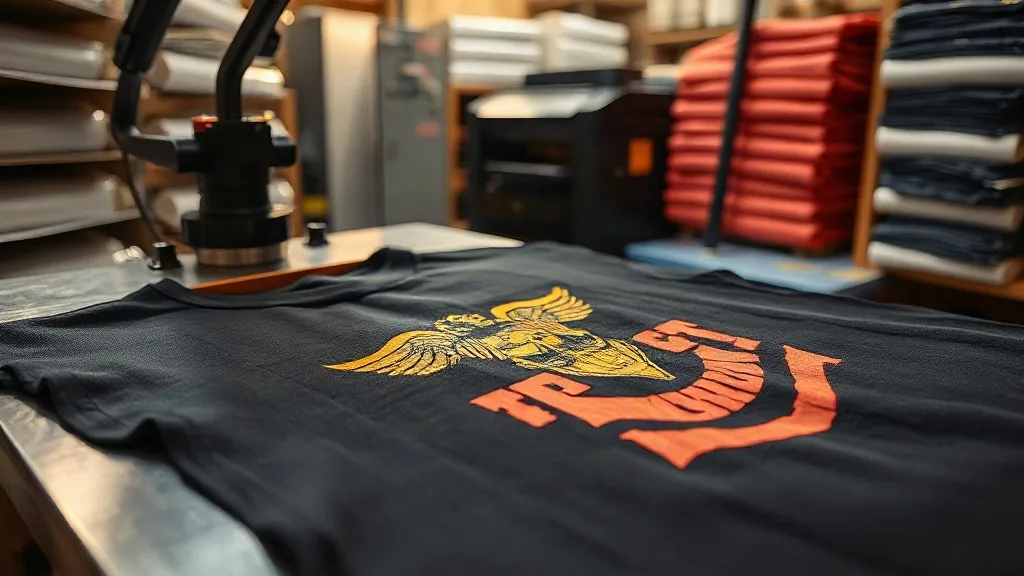
If you run a print shop, you have probably noticed how quickly dtf transfers have become the go-to method for custom apparel. Unlike screen printing, which requires separate screens for each color, DTF (direct-to-film) printing lets you produce full-color designs in a single pass, with no minimums and no color limitations. The result is a flexible, cost-effective workflow that works on cotton, polyester, blends, and even tough fabrics like canvas and nylon. In this guide, we will walk through the entire DTF process, from artwork preparation to the final press, and share practical tips to help you avoid common pitfalls and deliver outstanding results.
What Are DTF Transfers and Why They Matter
DTF transfers are printed designs on a special film that are coated with a thermoplastic adhesive powder, then cured and pressed onto fabric. The magic lies in the powder: when heat and pressure are applied, the powder melts and bonds the ink to the fabric, creating a soft, stretchable, and durable print. Because the design is printed on film first, you can transfer it to almost any material, including dark colors, without the need for pre-treatment or special garments. This versatility makes dtf an ideal solution for small batch orders, sample runs, and last-minute requests.
The DTF Printing Process Step by Step
Understanding each stage of the DTF workflow is key to consistent quality. Here is a breakdown of the process from start to finish.
1. Artwork Preparation and Printing
Start with a high-resolution image, ideally at 300 DPI. Mirror the design horizontally because the film will be flipped when pressed. Load the DTF film into your printer, ensuring the coated side faces the print head. Use pigment-based inks designed for DTF; these inks are opaque and vibrant. Print the design onto the film, allowing the printer to lay down a color layer followed by a white layer (if your printer supports white ink). The white layer is crucial for opacity on dark fabrics.
2. Powder Application
While the ink is still wet, apply the adhesive powder evenly over the printed area. You can use a shaker bottle or an automatic powder applicator. Gently shake off excess powder, then tap the film to ensure an even coat. The powder should stick only to the wet ink, so avoid over-application, which can lead to a stiff feel.
3. Curing the Powder
Curing melts the powder into the ink, creating a flexible adhesive layer. Use a heat press or a conveyor oven set to around 160°C (320°F) for 2-3 minutes. The film should not shrink or curl. Once cured, the film can be stored for later use or pressed immediately. Proper curing ensures the transfer will withstand repeated washing without cracking.
4. Pressing the Transfer
Set your heat press to 160°C (320°F) with medium pressure. Place the garment on the press, pre-press for 5 seconds to remove moisture, then place the transfer face down. Press for 15-20 seconds. Allow the garment to cool completely before peeling the film. Cold peel is recommended for DTF transfers to prevent the design from stretching or distorting. After peeling, a second press for 5 seconds with a Teflon sheet can enhance durability.
Choosing the Right Film and Powder
Not all DTF films are created equal. The film must be compatible with your printer and ink type. Look for films with a consistent coating that prevents ink spreading and ensures easy release. Powder particle size also matters: finer powders (around 80-100 microns) produce a softer hand feel, while coarser powders (120-150 microns) offer better adhesion on textured fabrics. Test different combinations to find what works best for your shop's typical orders.
Fabric Compatibility: What Works and What Doesn't
One of the biggest advantages of DTF is its ability to adhere to a wide range of fabrics. Cotton, polyester, blends, and even spandex can be decorated with DTF. However, some fabrics require special attention. For nylon, a lower pressing temperature (around 140°C) prevents scorching. For canvas, a higher pressure ensures the powder penetrates the weave. Always perform a test press on a scrap piece to confirm settings.
Common Problems and How to Fix Them
Even experienced operators encounter issues. Here are a few common problems and their solutions:
- Design peeling after wash: Increase pressure or dwell time during pressing, and ensure the powder is fully cured.
- Ink smudging during powder application: Reduce ink density or apply powder more gently.
- Film curling during curing: Lower the curing temperature or use a film designed for low-temperature curing.
- Stiff hand feel: Use finer powder or reduce the amount of powder applied.
DTF vs. Other Printing Methods
Compared to screen printing, DTF requires no screens, making it cost-effective for short runs. Unlike vinyl, DTF can handle complex gradients and photographic images. And unlike dye sublimation, DTF works on 100% cotton. For shops looking to offer diverse products without heavy investment, DTF is a clear winner.
Finding Reliable DTF Transfers Near Me
If you are outsourcing your transfers, searching for dtf transfers near me can help you find a local supplier who understands your turnaround needs. Local suppliers often offer faster shipping and personalized support, which can be invaluable when you are on a tight deadline. When vetting a supplier, ask about their ink and powder quality, turnaround times, and minimum order quantities. A good supplier will provide samples so you can test the quality before committing.
Frequently Asked Questions
How long do DTF transfers last?
With proper application and care, DTF transfers can last 50+ washes. Wash garments inside out in cold water and avoid harsh chemicals.
Can I use DTF on dark shirts?
Yes, DTF includes a white ink layer that provides opacity on dark fabrics, so colors remain vibrant.
Do I need a special printer for DTF?
You can convert an existing inkjet printer to DTF by using DTF inks and film, but dedicated DTF printers offer better reliability and white ink circulation.
What is the best temperature for pressing DTF transfers?
Press at 160°C (320°F) for 15-20 seconds with medium pressure. Always pre-press the garment to remove moisture.
Can I stretch DTF prints?
DTF prints are stretchable, but excessive stretching may cause cracking over time. Use a stretchable powder for high-elastic fabrics.