
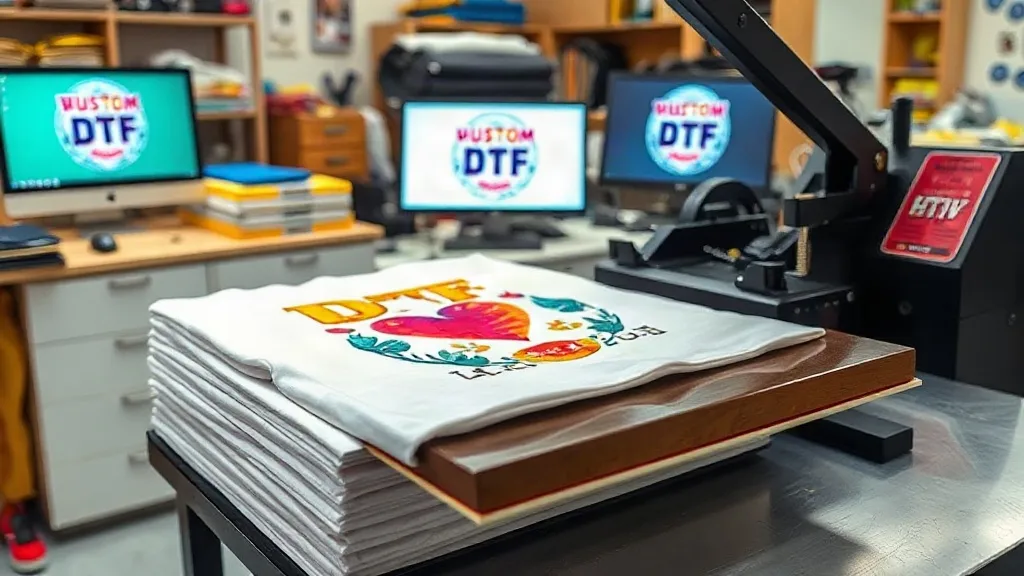
Custom apparel printing has exploded in popularity, and if you're looking to create vibrant, durable designs on fabrics, you've likely heard of dtf transfers. This printing method has revolutionized the way small businesses, hobbyists, and even large manufacturers approach garment decoration. Unlike traditional screen printing or vinyl cutting, DTF (Direct to Film) offers a streamlined process that delivers high-quality results on a wide range of materials. In this guide, we'll explore what DTF transfers are, how they work, and why they might be the perfect solution for your next project.
What Are DTF Transfers?
DTF stands for Direct to Film. It's a printing technology where your design is printed onto a special film, then coated with a adhesive powder, and finally heat-pressed onto the fabric. The process begins with a digital printer that lays down water-based inks onto a PET film. After printing, a hot melt powder is applied to the wet ink, which acts as a glue when heated. Once the powder is set, the film is ready to be transferred onto a garment using a heat press. This method is versatile and works on cotton, polyester, blends, and even some synthetic fabrics.
How DTF Transfers Differ from Other Printing Methods
Compared to screen printing, DTF requires no screens or setup fees, making it cost-effective for short runs and one-off designs. Unlike vinyl, DTF can handle complex, multi-color designs with gradients and fine details without the tedious weeding process. And unlike DTG (Direct to Garment), DTF doesn't require pre-treatment of the fabric and can be used on dark colors without a white underbase. The result is a soft, stretchable print that withstands washing and wear.
The Benefits of Using DTF Transfers
There are several reasons why DTF transfers have become a go-to for apparel decorators:
- Versatility: Works on almost any fabric, including cotton, polyester, and blends.
- Durability: Prints are resistant to cracking, peeling, and fading.
- No color limitations: Achieve vibrant colors and intricate details without extra cost.
- Cost-effective for small batches: No minimum order quantities or setup fees.
- Easy to use: With a heat press, you can apply transfers quickly and consistently.
How to Apply DTF Transfers
Applying a DTF transfer is straightforward but requires attention to detail. Here's a step-by-step guide:
- Preheat your heat press to the recommended temperature (usually around 300°F to 350°F).
- Place the garment on the press and pre-press for a few seconds to remove moisture.
- Position the transfer on the garment with the printed side facing up.
- Press with medium pressure for 10-15 seconds.
- Peel the film while it's still hot (or cold, depending on the film type).
- Post-press for a few seconds to ensure the print is fully bonded.
Always follow the specific instructions provided with your transfers for best results.
Finding DTF Transfers Near You
If you're looking to get started with DTF printing, you might be wondering where to find supplies. Searching for dtf transfers near me can help you locate local printers or suppliers who offer DTF services. Many online retailers also provide custom DTF transfers, allowing you to upload your design and receive ready-to-press films. When choosing a supplier, consider factors like print quality, turnaround time, and customer reviews.
Common Applications of DTF Transfers
DTF transfers are used across various industries and personal projects. Here are some popular applications:
- Custom t-shirts: Perfect for small businesses, events, or personal use.
- Sports team uniforms: Names and numbers can be easily personalized.
- Promotional merchandise: Bags, hats, and more can be decorated with logos.
- Fashion and streetwear: High-detail designs on demand.
- Gifts: Personalized items for birthdays, weddings, and holidays.
Tips for Successful DTF Printing
To ensure your DTF transfers look great and last long, keep these tips in mind:
- Always test on a scrap fabric before pressing your final garment.
- Use a heat press rather than an iron for consistent temperature and pressure.
- Store unused transfers in a cool, dry place away from direct sunlight.
- Wash garments inside out in cold water and avoid fabric softeners to prolong print life.
- Choose high-quality transfer films and powders from reputable suppliers.
Frequently Asked Questions
What fabrics can DTF transfers be used on?
DTF transfers work on a wide range of fabrics, including cotton, polyester, blends, and even some synthetic materials like nylon. They are not recommended for fabrics with special coatings or waterproof finishes.
How long do DTF transfers last?
With proper application and care, DTF transfers can last as long as the garment itself. They are durable and resistant to cracking and fading, even after multiple washes.
Can I use DTF transfers on dark colors?
Yes, DTF transfers are excellent for dark colors because the white ink layer in the transfer provides a bright base for the colors, ensuring vibrancy without the need for a separate white underbase.
Do I need a special printer for DTF?
Yes, DTF printing requires a DTF printer that uses water-based inks and a film substrate. However, if you're not ready to invest in a printer, you can order custom transfers from a DTF service provider.
How do I find DTF transfers near me?
You can search online for local DTF printers or suppliers, or check with local apparel decoration shops. Many online stores also offer DTF transfer services with fast shipping.