
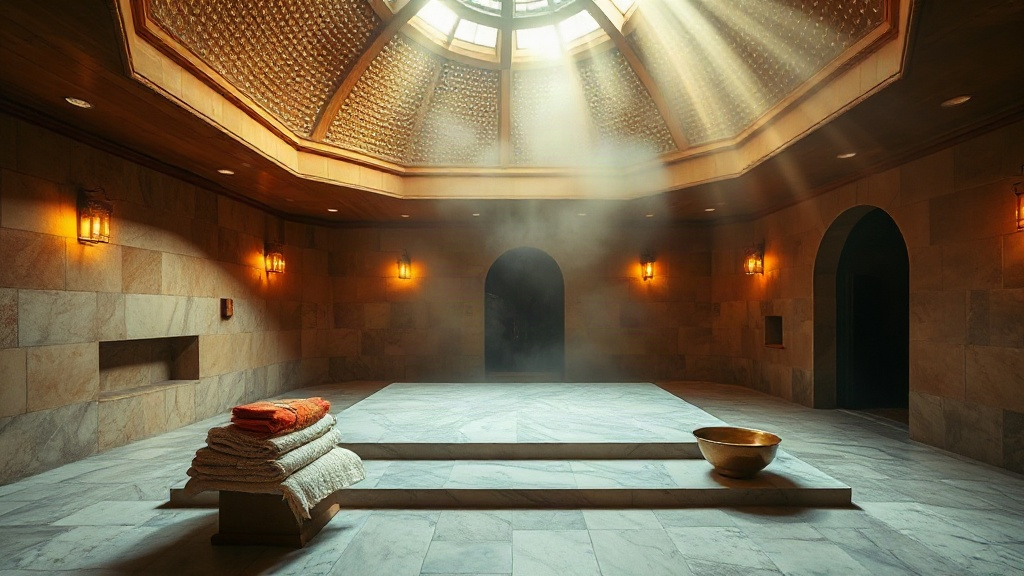
Stepping into a Turkish bath, or hammam, is like entering a sanctuary where time slows and the noise of the outside world fades into steam. It is not merely a bath; it is a ritual that has cleansed bodies and soothed souls for over a millennium. If you have ever wondered what makes this experience so enduring, or found yourself searching for a turkish bath near me only to be overwhelmed by options, this guide will walk you through everything you need to know. From the architectural splendor of historic bathhouses to the intimate details of the bathing sequence, you will learn how to appreciate and navigate this profound tradition with confidence and respect.
My own first encounter with a hammam was in Istanbul, and I remember the nervous excitement of not knowing exactly what to expect. The warmth, the marble, the gentle guidance of the attendant, and the surprising lightness I felt afterward left an impression that no ordinary spa day has ever matched. It is this kind of authentic, transformative experience that I hope to help you find and embrace, whether you are planning a trip abroad or looking for a local oasis.
What Exactly Is a Turkish Bath?
A Turkish bath is a traditional public bathing ritual that combines heat, steam, exfoliation, and massage. Unlike a Western sauna or a simple hot tub, the hammam is a multi-step process that engages all the senses. The heart of the experience is the hot room, often a circular or octagonal space with a large heated marble platform in the center, known as the göbek taşı (belly stone). Here, bathers lie down to warm their muscles and open their pores before moving on to washing and massage.
The hammam is not just about physical cleanliness; it is a social and spiritual practice. Historically, it was a place where communities gathered, friends met, and important life events, such as bridal preparations or the bathing of newborns, were celebrated. Today, many hammams continue to serve as communal spaces, though modern versions often offer private or mixed-gender sessions to accommodate different preferences.
The Historical Roots of the Hammam
The origins of the Turkish bath trace back to the Roman thermae and Byzantine bathing traditions. When the Ottomans arrived in Anatolia, they adopted and adapted these practices, infusing them with Islamic principles of cleanliness and creating the hammam as we know it today. The architectural style evolved to include domed ceilings with small glass openings that let in soft, filtered light, creating an almost otherworldly atmosphere.
Some of the most famous historic hammams still in operation include the Çemberlitaş Hamamı and the Ayasofya Hurrem Sultan Hamamı in Istanbul, both of which date back centuries. Visiting one of these is like stepping into a living museum where the steam carries echoes of countless generations. If you are ever in a city with a historic hammam, I highly recommend prioritizing a visit; it is an experience that connects you to the past in a deeply personal way.
Why Experience a Turkish Bath?
Beyond the cultural significance, a Turkish bath offers tangible benefits for both body and mind. The combination of heat, exfoliation, and massage can improve circulation, relieve muscle tension, and leave your skin feeling incredibly soft and renewed. The ritual also provides a mental reset; the quiet, steamy environment encourages mindfulness and a rare sense of inner peace.
In our fast-paced world, many of us are searching for experiences that help us disconnect and recharge. A hammam session does exactly that. It is a form of self-care that feels both indulgent and grounding. Whether you are an athlete looking to soothe tired muscles, a traveler seeking cultural immersion, or simply someone in need of a deep relaxation, the hammam has something to offer.
Physical and Mental Benefits
- Deep cleansing: The heat and steam open pores, allowing the exfoliating kese (a rough mitt) to remove dead skin cells more effectively than any home scrub.
- Improved circulation: The warmth dilates blood vessels, promoting better blood flow and oxygen delivery throughout the body.
- Muscle relaxation: The combination of heat and massage eases tension, making it an excellent recovery tool after exercise or long flights.
- Stress reduction: The ritual's slow, deliberate nature, along with the soothing environment, can lower cortisol levels and promote a sense of calm.
- Social connection: In many cultures, the hammam is a communal activity that strengthens bonds and provides a space for unhurried conversation.
How to Prepare for Your First Turkish Bath
If you are planning to visit a turkish bath near me or during your travels, a little preparation can go a long way in ensuring a comfortable and enjoyable experience. The first thing to know is that you will likely be partially or fully nude, depending on the hammam's rules and whether it is mixed-gender. Most traditional hammams have separate sections or hours for men and women, and you will usually be provided with a thin cotton wrap called a peştemal to wear during the bathing process.
It is also important to arrive with a basic understanding of the sequence. Typically, you will start in a warm room to acclimate, then move to the hot room to sweat and relax on the marble platform. After some time, an attendant (called a tellak for men or natır for women) will come to scrub your body with the kese mitt, followed by a soapy foam massage. Finally, you will be rinsed with warm water and may be offered a cool towel or a rest in a relaxation area.
What to Bring and What to Expect
Most hammams provide the necessary items, such as the peştemal, kese, and soap, but you may want to bring your own if you have sensitive skin or prefer a particular product. A pair of rubber sandals is also a good idea, as the floors can be slippery. You should avoid eating a heavy meal right before your session, and it is essential to drink plenty of water afterward to rehydrate.
When it comes to tipping, it is customary to tip your attendant if you are satisfied with the service. A typical tip ranges from 10 to 20 percent of the service cost, though this can vary by region. If you are unsure, ask the front desk or observe what other patrons do.
Finding an Authentic Turkish Bath Near You
If you are not traveling to Turkey or another country with a strong hammam tradition, you may still be able to find an authentic experience closer to home. Many major cities around the world now have Turkish or Moroccan-style bathhouses that offer traditional services. When searching for a turkish bath near me, it is important to look for establishments that prioritize authenticity in both their facilities and their techniques.
Look for reviews that mention the presence of a heated marble platform, the use of a kese for exfoliation, and traditional foam massages. Avoid places that are simply saunas or steam rooms with a Turkish name but lack the core elements of the ritual. A true hammam experience should include the full sequence: heat, exfoliation, foam, and massage.
Questions to Ask Before Booking
- Is the hammam single-sex or mixed? What are the hours for each?
- What is included in the basic package? Are there add-ons like oil massage or face masks?
- Are the attendants trained in traditional techniques?
- What is the facility's cleanliness and hygiene protocol?
- Do you need to book in advance, or are walk-ins welcome?
By asking these questions, you can ensure that you are getting a genuine experience rather than a watered-down version. It is also worth noting that some high-end spas offer "hammam-inspired" treatments that may be lovely but are not the real thing. If authenticity matters to you, do your research.
The Turkish Bath Etiquette: Do's and Don'ts
Understanding the unwritten rules of the hammam will help you feel more at ease and show respect for the tradition. First and foremost, the hammam is a place of quiet and relaxation. While soft conversation is usually acceptable, loud talking or disruptive behavior is not. Keep your voice low and your movements calm.
When you enter the hot room, choose a spot on the marble platform and lie down on your peştemal. It is common to rest for 15 to 30 minutes to allow your body to heat up and your pores to open. During this time, you may close your eyes and simply breathe. When the attendant comes to scrub you, they will likely use firm, circular motions. If the pressure is too hard or too soft, do not hesitate to communicate; a simple gesture or word is usually enough.
Common Mistakes to Avoid
- Wearing a swimsuit in a traditional hammam: While some modern facilities allow it, traditional hammams expect you to use the provided peştemal or be nude.
- Rushing the experience: The hammam is meant to be savored. Allow at least an hour to an hour and a half for the full ritual.
- Using your own soap or shampoo without asking: Some hammams may have specific products they prefer, and using your own could interfere with the traditional process.
- Forgetting to hydrate: You will sweat a lot, so drink water before and after your session.
- Being overly modest or uncomfortable: Remember that everyone is there for the same reason. The hammam is a judgment-free zone.
Modern Variations and What to Look For
While the traditional hammam remains the gold standard, many contemporary spas have adapted the concept to suit modern preferences. These may include private rooms, aromatherapy, and additional treatments like clay masks or hot stone massages. If you are new to the experience, a modern variation might be a gentler introduction. However, I would encourage you to try a traditional hammam at least once to truly understand its magic.
When evaluating a turkish bath near me, pay attention to the details. Is the marble platform heated? Is the kese used with a generous amount of soap foam? Does the attendant take their time, or do they rush through the steps? The best hammams treat the ritual as an art form, and you can feel the difference.
My Personal Recommendations for an Unforgettable Experience
Having visited hammams in several countries, I have learned a few things that can elevate your experience. First, consider visiting in the late afternoon or early evening. The hammam is often quieter at these times, and you can enjoy a more peaceful atmosphere. Second, do not skip the relaxation period after your bath. Many hammams have a cool room where you can sip tea and let your body temperature normalize. This is often when the deepest sense of well-being hits.
Finally, if you are traveling to a city with a historic hammam, book a session at one that has been well-preserved. The architecture alone is worth the visit, and the sense of history adds another layer to the experience. Some of my favorites include the Kılıç Ali Paşa Hamamı in Istanbul, which offers a beautifully restored space, and the Hammam al-Pasha in Akko, Israel, which has a fascinating history.
Common Questions About the Turkish Bath
What is the difference between a Turkish bath and a sauna?
A sauna uses dry heat to raise your body temperature, while a Turkish bath uses high humidity and steam. The hammam also includes active cleansing steps like exfoliation and massage, which are not typically part of a sauna session.
Can I go to a Turkish bath if I have sensitive skin?
Yes, but you should communicate your skin type to the attendant. They can use a lighter touch with the kese or skip the exfoliation altogether. Some hammams offer gentler options, such as a clay mask or a moisturizing treatment instead.
Is it customary to tip at a Turkish bath?
Yes, tipping is common and appreciated. A tip of 10 to 20 percent of the service cost is standard, though you can adjust based on the quality of service.
How long does a typical Turkish bath session last?
A full traditional session usually lasts between 60 and 90 minutes, including time to relax on the marble platform, the scrub and massage, and a cool-down period. Some hammams offer shorter express sessions, but I recommend the full experience for maximum benefit.
Are Turkish baths only for women or men?
Traditional hammams often have separate sections or hours for men and women. However, many modern hammams offer mixed-gender sessions or private family rooms. Always check the facility's policy before booking.