
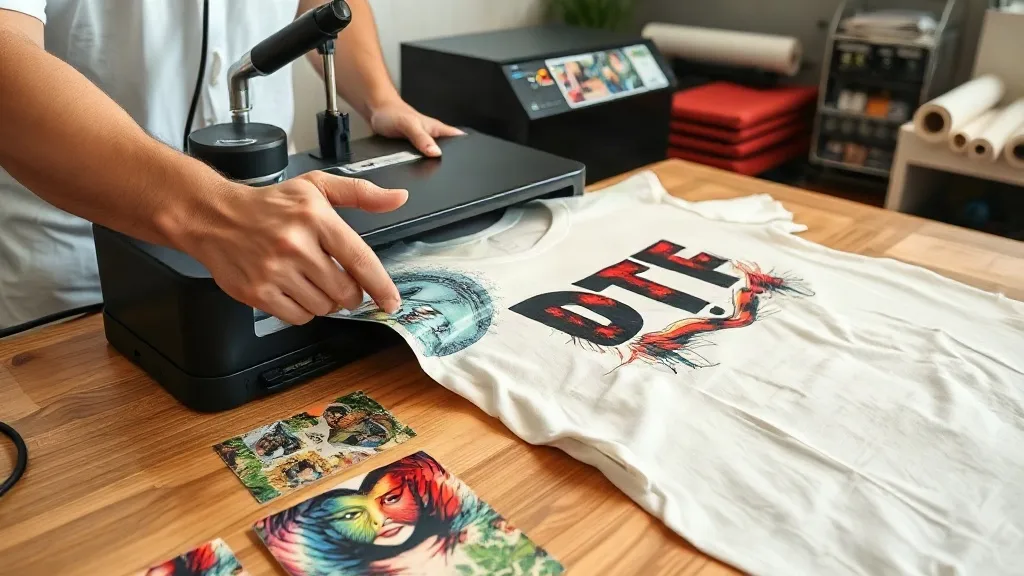
Custom apparel printing has come a long way, and one of the most exciting innovations in recent years is DTF transfers. If you're looking to add vibrant, durable designs to t-shirts, hoodies, or any fabric, DTF transfers offer a versatile and cost-effective solution. In this guide, we'll walk you through everything you need to know about DTF transfers, from the basics of the process to tips for finding quality dtf transfers near me.
What Are DTF Transfers?
DTF stands for Direct-to-Film, a printing method where your design is printed onto a special film, then transferred to fabric using heat and pressure. Unlike other methods that require specialized equipment or pre-treated shirts, dtf transfers work on a wide range of materials, including cotton, polyester, blends, and even some non-fabric items. The process involves printing a mirror image of your design onto film using specialized dtf inks, applying a powder adhesive, and then pressing it onto the garment. The result is a soft, stretchable, and highly detailed print that holds up wash after wash.
How DTF Transfers Work: Step by Step
Understanding the DTF process helps you appreciate the quality and versatility of the results. Here's a breakdown of the key steps:
- Design Preparation: Your artwork is prepared digitally, ensuring colors are vibrant and details are sharp.
- Printing: The design is printed onto a PET film using DTF printers with special pigment inks.
- Powder Application: A thermoplastic adhesive powder is applied to the wet ink while it's still on the film.
- Curing: The powder is melted and cured using a heat source, creating a bond that will adhere to fabric.
- Transfer: The film is placed on the garment and pressed with a heat press at a specific temperature and pressure.
- Peeling: Once cooled, the film is peeled away, leaving the design permanently bonded to the fabric.
This streamlined process allows for quick turnaround and consistent quality, making dtf transfers a favorite among small businesses and hobbyists alike.
Why Choose DTF Transfers?
There are several compelling reasons to consider DTF transfers for your next project:
- Vibrant Colors and Fine Details: DTF printing can reproduce intricate designs with gradients, photographs, and fine lines that other methods might struggle with.
- Durability: When applied correctly, DTF prints are highly durable, resistant to cracking, fading, and peeling.
- Versatility: Works on almost any fabric, including 100% cotton, polyester, blends, and even dark colors without the need for a white underbase.
- No Weeding or Cutting: Unlike vinyl, DTF transfers require no weeding or cutting, saving time and reducing waste.
- Cost-Effective for Small Runs: No minimum order quantities and low setup costs make DTF ideal for one-off projects or small batches.
DTF vs. Other Printing Methods
How does DTF stack up against other popular printing techniques? Here's a quick comparison:
DTF vs. Screen Printing
Screen printing is cost-effective for large orders with simple designs, but it requires separate screens for each color and has high setup costs. DTF excels for complex, multi-color designs and small batches, with no per-color charges.
DTF vs. DTG (Direct-to-Garment)
DTG prints directly onto the fabric and works best on 100% cotton. It can be slower and requires pre-treatment. DTF works on more fabrics, often produces more vibrant results on dark colors, and can be faster for production.
DTF vs. Vinyl (HTV)
Heat transfer vinyl is great for simple text and shapes but is limited in color and detail. DTF handles full-color, photographic designs with ease and eliminates the weeding process.
Applications of DTF Transfers
The versatility of DTF transfers opens up a world of possibilities:
- Custom Apparel: T-shirts, hoodies, polo shirts, and more for teams, events, or personal use.
- Merchandise: Bags, hats, and accessories.
- Home Decor: Cushion covers, aprons, and tote bags.
- Promotional Items: Branded giveaways that stand out.
Whether you're a small business owner looking to add custom products or an individual creating personalized gifts, DTF transfers provide a professional finish.
Finding Quality DTF Transfers Near You
If you're ready to try DTF transfers, you might be wondering where to get them. You have two main options: purchase a DTF printer and supplies to produce your own, or buy pre-printed transfers from a supplier. For many, buying transfers is more practical, especially for small quantities.
When searching for dtf transfers near me, consider the following tips to ensure you get high-quality products:
- Reputation: Look for suppliers with positive reviews and a track record of satisfied customers.
- Sample Packs: Order a sample pack to test the quality before committing to a larger order.
- Color Accuracy: Ensure the supplier uses high-quality inks and films for vibrant, accurate colors.
- Turnaround Time: Check how quickly they can fulfill orders, especially if you have deadlines.
- Customer Service: Responsive support can make a big difference if you have questions or issues.
Many online suppliers offer fast shipping and competitive prices, so you can access quality dtf transfers even if there's no local shop nearby. However, supporting local businesses can have its advantages, such as faster delivery and the ability to discuss your needs in person.
Tips for Successful DTF Transfer Application
To get the best results from your DTF transfers, follow these best practices:
- Preheat the Fabric: This removes moisture and wrinkles for a smooth application.
- Use the Right Settings: Follow the transfer instructions for temperature, pressure, and time. Typically, 150-160°C for 10-15 seconds.
- Peel Correctly: Most DTF transfers are hot peel, but some are cold peel. Check the supplier's instructions.
- Post-Press: After peeling, press again for a few seconds to ensure the design is fully embedded.
- Care Instructions: Wait 24 hours before washing, and wash inside out in cold water to prolong the life of the print.
Common Mistakes to Avoid
Even with a straightforward process, some pitfalls can affect the outcome:
- Insufficient Pressure: Too little pressure results in poor adhesion and early peeling.
- Wrong Temperature: Too hot can scorch the fabric or melt the film; too cold means the adhesive won't activate.
- Not Pre-Pressing: Moisture can cause the transfer to fail.
- Peeling Too Soon or Too Late: Follow the recommended timing for hot or cold peel.
By avoiding these mistakes, you'll achieve professional-looking results every time.
Frequently Asked Questions About DTF Transfers
What fabrics can I use with DTF transfers?
DTF transfers work on a wide range of fabrics, including cotton, polyester, blends, and even some synthetics. They are also effective on dark colors without the need for a white underbase.
How durable are DTF transfers?
When applied correctly, DTF transfers are highly durable and can withstand many washes without fading, cracking, or peeling. Proper care, such as washing inside out in cold water, extends their life.
Can I use DTF transfers on items other than apparel?
Yes, DTF transfers can be applied to bags, hats, cushion covers, and other fabric items. They are not suitable for materials that cannot withstand heat, such as some plastics or leather.
Do I need a special printer to make DTF transfers?
To produce DTF transfers yourself, you need a DTF printer and supplies. However, you can also purchase pre-printed transfers from suppliers, which is more practical for most people.
How do I find a reliable DTF transfer supplier near me?
Search online for dtf transfers near me and read reviews, check sample packs, and compare turnaround times. Look for suppliers with good reputations and responsive customer service.
DTF transfers have opened up new possibilities for custom printing, offering vibrant colors, durability, and versatility on a wide range of materials. Whether you're a business owner or a DIY enthusiast, understanding the process and choosing the right supplier can help you achieve stunning results. So why not give DTF transfers a try for your next project? With the right approach, you'll be amazed at what you can create.