
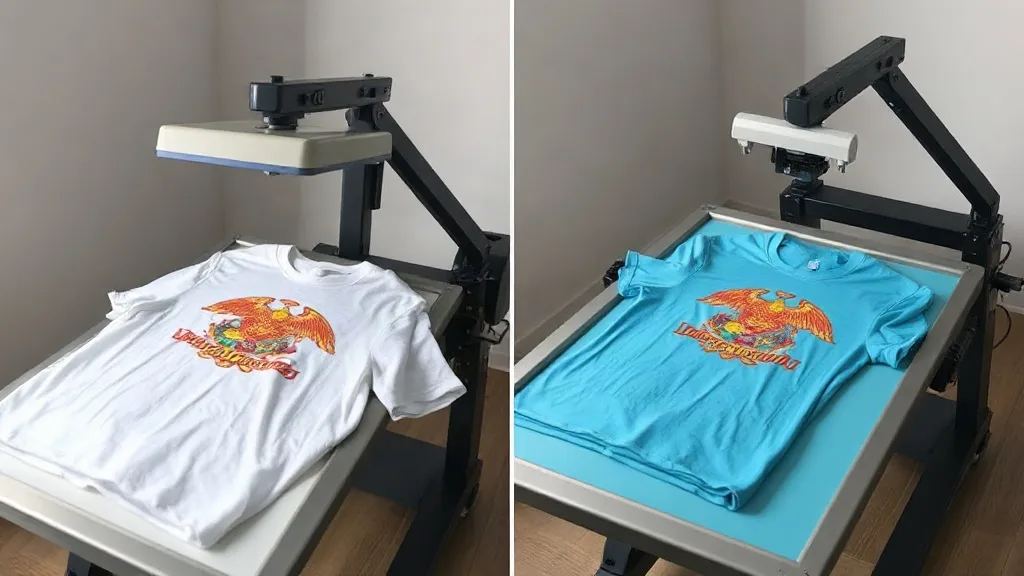
When you're planning a custom apparel run, the printing method you choose affects everything from your budget to how the final product feels in your customer's hands. Two of the most talked-about options today are dtf transfers and screen printing. Both have passionate advocates, and both can produce outstanding results, but they shine in different scenarios. In this guide, we'll walk through the practical differences so you can pick the method that aligns with your brand's goals, whether you're ordering a handful of samples or scaling to thousands of units.
What Are DTF Transfers?
Direct-to-film, or dtf, is a relatively new printing technology that has quickly gained traction in the custom apparel world. The process involves printing your design onto a special film using water-based pigments, then applying a powder adhesive and curing it. The resulting transfer can be heat-pressed onto almost any fabric, including cotton, polyester, blends, and even nylon. Unlike some other methods, dtf doesn't require pre-treatment of the garment, which simplifies the workflow and reduces the risk of errors.
One of the biggest advantages of dtf transfers is their ability to handle complex, full-color designs without incurring extra costs. Whether you have a photorealistic image, gradients, or fine details, the print quality remains consistent. This makes dtf a favorite among small businesses, print-on-demand sellers, and anyone who needs short runs with high variability.
What Is Screen Printing?
Screen printing, on the other hand, is a time-tested technique that has been used for decades. It involves creating a stencil (screen) for each color in your design and pushing ink through it onto the fabric. This method is known for its durability and vibrant colors, especially on dark garments. However, setting up screens can be costly and time-consuming, which makes screen printing more economical for large orders with few colors.
Screen printing also requires separate screens for each color, so designs with many colors become expensive. Additionally, the setup process means that short runs often come with a higher per-unit cost. But for bulk orders of simple designs, screen printing can be incredibly cost-effective and produce a soft, long-lasting print.
Comparing DTF Transfers and Screen Printing
To make an informed decision, it helps to compare these methods across several key factors: cost, quality, fabric compatibility, and turnaround time.
Cost Considerations
For small to medium orders (say, under 50 pieces), dtf transfers often come out ahead. There are no setup fees, and the cost per print is consistent regardless of the number of colors. This makes dtf ideal for sampling, one-off custom pieces, or businesses that offer a wide range of designs without holding inventory.
Screen printing, however, has a higher upfront cost due to screen creation, but the per-unit price drops significantly as order size increases. If you're ordering 100 or more shirts with a simple design (1-3 colors), screen printing can be more economical. The break-even point varies depending on the printer, but it's generally around 50-100 units.
Print Quality and Durability
Both methods can produce excellent quality, but they have different strengths. dtf transfers excel at reproducing intricate details and full-color images. The print sits on top of the fabric and can feel slightly raised, but modern films are thin and soft. Durability is good when properly applied, though it may not withstand as many wash cycles as screen printing on certain fabrics.
Screen printing, especially with plastisol inks, is known for its longevity. The ink bonds with the fabric fibers, resulting in a print that can outlast the garment itself. However, screen printing on dark colors often requires a white underbase, which can add thickness. For a soft-hand feel, water-based inks are an option but may require more maintenance.
Fabric Compatibility
dtf transfers are incredibly versatile. They adhere well to cotton, polyester, blends, and even specialty fabrics like canvas and nylon. This makes them a go-to for diverse product lines, from t-shirts to tote bags. Screen printing, while also versatile, works best on flat surfaces and natural fibers. Polyester can be tricky with plastisol inks due to dye migration, though low-bleed inks are available.
Turnaround Time
For urgent orders, dtf transfers often win. Since there's no screen setup, the production process can start immediately after file preparation. Small orders can be turned around in a day or two. Screen printing requires screen burning and setup, which adds time, especially for multi-color designs. If you need something fast, dtf is usually the quicker route.
When to Choose DTF Transfers
Opt for dtf transfers when:
- You have a small order (under 50 pieces) with a complex, full-color design.
- You need a fast turnaround.
- You're printing on a variety of fabrics, including polyester and blends.
- You want to offer a wide range of designs without minimum order quantities.
- You're testing new designs or running a print-on-demand business.
Many brands that use shaka wear blanks appreciate the flexibility of dtf transfers because they can produce small batches of unique designs without committing to screens.
When to Choose Screen Printing
Screen printing is the better choice when:
- You're ordering a large quantity (100+ pieces) of a simple design with few colors.
- You want the most durable print that can withstand heavy wear and washing.
- You're printing on dark garments and want vibrant, opaque colors.
- You have a tight budget for a bulk order and can plan ahead for setup time.
- You're producing uniforms, event merch, or promotional items with a consistent design.
Hybrid Approaches and Practical Tips
Some print shops use both methods to play to their strengths. For example, they might use dtf transfers for sample approvals and small runs, then switch to screen printing for the bulk order. This hybrid approach can save time and money while ensuring quality.
If you're new to dtf, here are a few tips to get the best results:
- Always follow the recommended pressing instructions for temperature, pressure, and time.
- Use a heat press rather than an iron for consistent results.
- Test on scrap fabric before pressing onto the final garment.
- Store transfers in a cool, dry place to avoid moisture damage.
For screen printing, work closely with your printer to optimize color separation and choose the right ink type for your fabric. And don't forget to request a proof before the full run.
Making the Decision
Ultimately, the choice between dtf transfers and screen printing depends on your specific needs. Consider your order size, design complexity, fabric type, budget, and timeline. If you're still unsure, many printers offer samples so you can compare the feel and look firsthand. Remember that the best method is the one that aligns with your brand's quality standards and operational constraints.
Whichever route you take, investing in quality blanks like those from shaka wear ensures a professional finish that your customers will notice. And with the rise of dtf technology, small businesses now have more options than ever to bring their creative ideas to life.
Frequently Asked Questions
Can DTF transfers be used on dark-colored shirts?
Yes, DTF transfers work well on dark fabrics because the white ink layer in the transfer provides a bright base for the colors. The opacity is generally excellent, though results can vary depending on the transfer quality and pressing technique.
How many washes do DTF transfers last?
When applied correctly, DTF transfers can last 50 or more washes. To maximize durability, wash garments inside out in cold water and avoid harsh chemicals or high heat in the dryer.
Is screen printing cheaper for small orders?
Not usually. Screen printing has setup costs for each color, so for small orders (under 50 pieces), DTF transfers are often more cost-effective. Screen printing becomes more economical as order size increases.
Can I mix DTF and screen printing in one order?
Absolutely. Some print shops offer both services and can combine them. For example, you might use screen printing for a large block of text and DTF for a detailed graphic. Discuss your design with your printer to find the best approach.
Which method is better for polyester shirts?
DTF transfers are generally better for polyester because they don't require special low-bleed inks and adhere well to the fabric. Screen printing on polyester can suffer from dye migration, though low-bleed inks can mitigate this.