
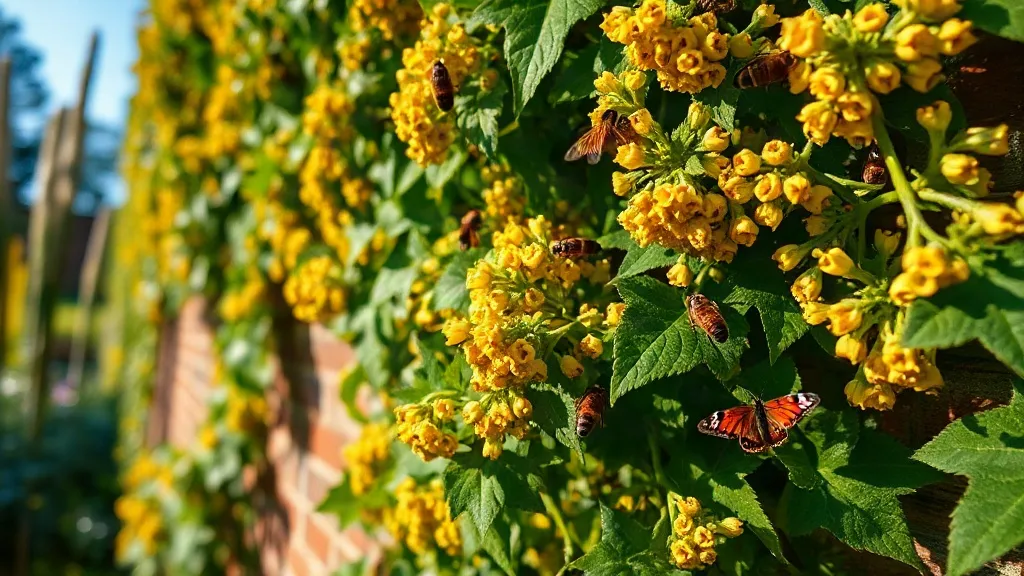
When you picture a pollinator-friendly garden, you might imagine a riot of colorful blooms: lavender, sunflowers, and tidy flower beds. But a new study suggests that some of the best plants for bees, butterflies, and other pollinating insects are the ones many gardeners yank out as weeds. The research, part of the UK Pollinator Monitoring Scheme, found that insects visited common ivy more than any other plant during timed surveys. This eight-year study highlights a surprising truth: our preconceptions about what makes a plant 'good' for wildlife may be leading us astray.
The study relied on citizen scientists who recorded insect visits to flowers during 10-minute surveys. Over the years, thousands of these short observations built a detailed picture of which plants pollinators actually use. And the winner, by a clear margin, was common ivy (Hedera helix), especially its autumn blooms. Ivy flowers late in the season when many other plants have finished, providing a vital source of pollen and nectar for bees, hoverflies, and butterflies preparing for winter. This finding challenges the notion that ivy is merely a nuisance that damages walls and trees.
Why 'Weeds' Are Pollinator Powerhouses
Common ivy is just one example. Other plants often labeled as weeds, such as dandelions, brambles, and thistles, also ranked high in the surveys. These plants share several traits that make them exceptionally attractive to insects. They tend to produce abundant, accessible nectar and pollen. Many are native or long-naturalized, meaning local pollinators have evolved alongside them. And they often bloom at critical times, like early spring or late autumn, when other food sources are scarce.
Take dandelions. They are among the first flowers to appear in spring, offering a lifeline to queen bumblebees emerging from hibernation. Yet many lawn enthusiasts treat them as enemies. Similarly, brambles (blackberry bushes) provide both nectar for adults and leaves for caterpillars of certain butterflies. Thistles, with their deep flowers, are favorites of long-tongued bees and butterflies. By removing these plants, gardeners may inadvertently be reducing the local pollinator buffet.
The study's lead researchers emphasize that this doesn't mean we should let our gardens run wild. Instead, it suggests a shift in perspective: valuing plants for their ecological function, not just their aesthetics. A patch of ivy on a fence or a corner of dandelions in the lawn can make a real difference for biodiversity.
The Science Behind the Survey
The UK Pollinator Monitoring Scheme (PoMS) is a long-term project that harnesses the power of volunteers to collect data on flower-visiting insects. Participants choose a patch of flowers and count the insects that land on them within a set time. This standardized method allows scientists to compare plant attractiveness across different regions and years. The recent analysis, covering eight years of data, is one of the most comprehensive of its kind.
What makes the findings particularly robust is the sheer volume of observations. With hundreds of volunteers contributing, the dataset includes tens of thousands of insect visits. This scale helps reduce the noise from one-off observations and reveals consistent patterns. The results show that certain plants are consistently top performers, regardless of location or weather conditions. Ivy, for instance, was visited by a wide range of insects, from honeybees to late-flying red admiral butterflies.
Interestingly, the study also found that some exotic garden plants, often promoted as pollinator-friendly, received fewer visits than native 'weeds'. This doesn't mean exotic plants are useless, but it does suggest that native species often provide better support for local wildlife. The researchers note that double-flowered varieties, bred for showy petals, may produce little to no nectar or pollen, making them useless to insects.
Rethinking Garden Aesthetics
For decades, gardening culture has prized neatness and order. Lawns are kept short, weeds are sprayed, and fallen leaves are raked away. But this tidy approach can be devastating for pollinators. A manicured lawn is essentially a desert for insects. In contrast, a slightly messy garden with a mix of native plants, including some so-called weeds, can become a haven for biodiversity.
This doesn't mean you have to let your garden become an eyesore. There are ways to integrate pollinator-friendly 'weeds' into a designed landscape. For example, you could allow ivy to grow on a boundary wall or fence, where it provides greenery and late-season nectar. You could leave a patch of lawn unmown to let dandelions and clover bloom. You could plant brambles in a corner, where they double as a security hedge and a source of blackberries. These small compromises can yield big rewards for wildlife.
Moreover, the study highlights the importance of bloom timing. A garden that offers flowers from early spring to late autumn supports pollinators throughout their active season. Ivy is a keystone species in this regard because it flowers in autumn, when many insects are stocking up for winter. Other late bloomers include asters and sedum, but ivy is unmatched in its abundance and accessibility.
What This Means for Urban Areas
The findings are especially relevant for cities and towns, where green spaces are fragmented and often heavily managed. Urban pollinators rely on whatever flowers they can find, whether in parks, gardens, or roadside verges. Common ivy is ubiquitous in urban environments, climbing walls, fences, and trees. Its autumn blooms can be a critical resource for city bees and butterflies.
Some local councils have started to change their mowing regimes to allow wildflowers to bloom on verges. This shift is partly driven by public demand for pollinator-friendly practices. The new study provides scientific backing for such initiatives, showing that even humble plants like ivy and dandelions can make a meaningful contribution. It also suggests that urban planners and gardeners should consider planting more native species, even if they are not conventionally beautiful.
However, there are challenges. Ivy is often blamed for damaging buildings, though research shows it can actually protect walls from temperature extremes and pollution. Misconceptions like this can lead to unnecessary removal. Education is key: helping people understand that ivy is not a threat but a benefit can lead to more tolerant attitudes.
Practical Tips for Pollinator-Friendly Gardening
If you want to support pollinators in your own outdoor space, here are some actionable steps based on the study's insights:
- Embrace ivy: Let it grow on a wall or fence. Avoid cutting it back in autumn when it's in bloom.
- Leave some dandelions: They are a vital early-spring food source. A patch of yellow in the lawn won't hurt.
- Plant native wildflowers: Species like foxgloves, knapweed, and wild marjoram are excellent for pollinators.
- Avoid double-flowered varieties: They may look pretty but often lack nectar and pollen.
- Reduce mowing: Let a section of grass grow longer to allow clover and other wildflowers to bloom.
- Provide water: A shallow dish with pebbles gives insects a place to drink.
- Skip pesticides: Even organic sprays can harm beneficial insects. Use natural pest control instead.
These changes don't require a complete garden overhaul. Even small actions, like leaving a patch of ivy, can contribute to a network of pollinator-friendly spaces across neighborhoods.
Looking Ahead: The Bigger Picture
Pollinator decline is a global concern, driven by habitat loss, climate change, and pesticide use. Studies like this one show that everyday spaces, from gardens to road verges, can play a role in reversing the trend. By adjusting our perception of what a 'good' plant is, we can make our surroundings more hospitable for insects.
The research also underscores the value of citizen science. Without the dedication of volunteers, such long-term datasets would be impossible to gather. Their efforts provide evidence that can influence policy and individual behavior. If you're interested in contributing, many similar schemes exist worldwide, from the Great Sunflower Project in the US to the European Butterfly Monitoring Scheme.
Ultimately, the message is hopeful: the plants that pollinators need most are often already growing around us. We just need to see them not as weeds, but as allies in the fight for biodiversity.
Frequently Asked Questions
Is common ivy really the best plant for pollinators?
According to the UK Pollinator Monitoring Scheme study, common ivy received the most insect visits of any plant surveyed. Its autumn blooms provide a critical late-season source of nectar and pollen for bees, hoverflies, and butterflies.
Should I let dandelions grow in my lawn?
Yes, allowing dandelions to bloom can help pollinators, especially in early spring when few other flowers are available. They are an important food source for queen bumblebees and other insects emerging from winter.
Does ivy damage walls or trees?
Research indicates that ivy does not damage sound walls and can actually insulate them. On trees, it is not parasitic; it uses the tree for support. However, it may need to be managed on old or damaged structures.
What are some other 'weeds' that benefit pollinators?
Brambles, thistles, clover, and nettles are also valuable. Brambles offer nectar and larval food, thistles attract long-tongued bees, clover fixes nitrogen and feeds bees, and nettles support caterpillars of several butterfly species.
How can I make my garden more pollinator-friendly without it looking messy?
Designate a 'wild corner' where you let plants grow naturally. Use ivy on a fence or wall, plant native wildflowers in borders, and allow a patch of lawn to grow longer. You can still keep other areas tidy.