
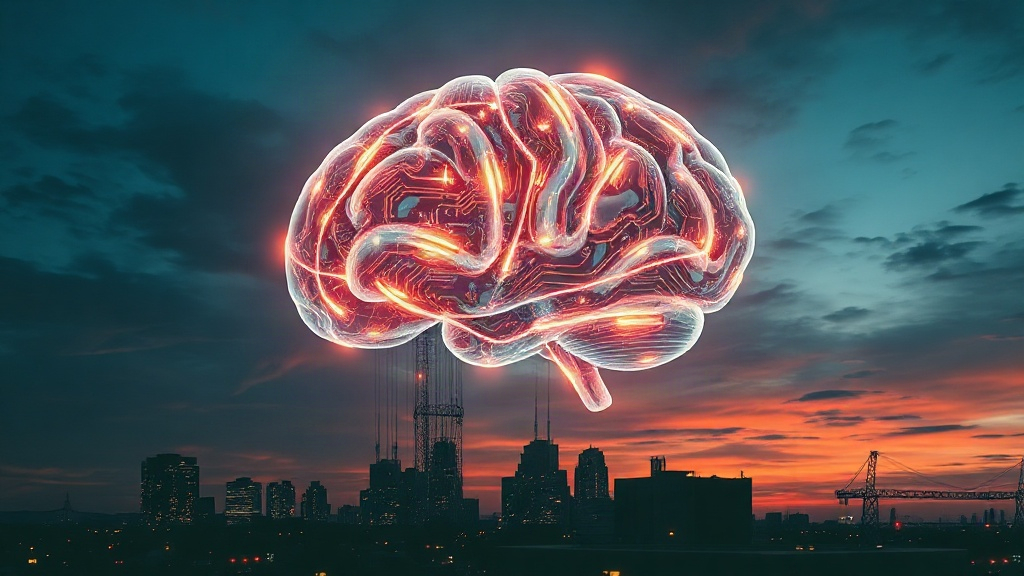
In a striking admission that has sent ripples through the tech community, OpenAI's chief scientist has warned that no one is truly prepared for the consequences of advanced artificial intelligence. The statement, made during a recent industry event, underscores a growing unease among the very people building these powerful systems. While AI has promised to revolutionize everything from healthcare to transportation, the chief scientist's cautionary words highlight a critical gap between technological capability and societal readiness.
The Warning That Caught Attention
The chief scientist, a key figure behind some of OpenAI's most advanced models, did not mince words. He suggested that the rapid pace of AI development has outstripped our ability to foresee and manage its impacts. This is not the first time a prominent AI researcher has voiced concerns, but the source and timing make this warning particularly noteworthy. Coming from within OpenAI, a leader in the field, it carries weight that generic doomsday predictions lack.
He pointed to several areas where the consequences could be severe, including economic disruption, misinformation, and even existential risks. The core of his message was simple: we are building systems that could reshape society in ways we cannot fully predict or control, and our current safeguards are inadequate.
Why This Warning Matters Now
This warning comes at a pivotal moment. AI systems are becoming more integrated into daily life, from customer service chatbots to advanced decision-making tools in finance and law. The release of increasingly powerful models has accelerated, with each iteration promising greater capabilities. Yet, the frameworks for testing, regulating, and understanding these systems lag far behind.
The chief scientist's comments reflect a broader debate within the AI community. Some argue that fears are overblown and that AI will bring net benefits. Others believe we are on a dangerous trajectory. What makes this warning stand out is its emphasis on unpreparedness across all sectors: governments, businesses, and the public.
The Gap Between Innovation and Safety
One of the key issues raised is the mismatch between the speed of innovation and the slower pace of safety research. While companies race to release new models, the science of aligning AI with human values is still in its infancy. The chief scientist highlighted that even the creators of these systems do not fully understand how they arrive at certain outputs. This opacity makes it difficult to predict failures or prevent misuse.
Moreover, the economic implications are profound. Automation could displace millions of workers, yet there is little planning for retraining or social safety nets. The chief scientist warned that without proactive measures, we could face widespread inequality and social unrest.
Potential Consequences Across Sectors
The consequences of unprepared AI touch every aspect of society. In healthcare, AI could improve diagnostics but also introduce new errors that are hard to detect. In criminal justice, biased algorithms could perpetuate discrimination. In national security, autonomous weapons pose ethical dilemmas. The chief scientist's warning suggests that these are not distant hypotheticals but imminent challenges.
He also pointed to the risk of misinformation at scale. AI-generated content could flood the internet, making it impossible to distinguish fact from fiction. This could undermine democratic processes and erode trust in institutions.
What Needs to Change
The chief scientist did not offer a simple solution, but he emphasized the need for a multi-pronged approach. First, there must be greater investment in AI safety research. Second, governments must develop regulatory frameworks that are flexible enough to keep pace with technology. Third, the public must be educated about AI's capabilities and limitations to make informed decisions.
He also called for more transparency from AI companies. Currently, many models are black boxes, with little external oversight. Opening up these systems to independent audits could help identify risks before they cause harm.
Reactions from the Tech Community
The warning has sparked a range of reactions. Some industry leaders have echoed the concerns, calling for a pause on certain types of AI development. Others have dismissed the warning as overly cautious, pointing to the potential benefits of AI in solving global challenges like climate change and disease.
However, even skeptics acknowledge that the current trajectory is unsustainable. The lack of preparedness is not just a technical problem but a societal one. As one commentator noted, "We are building the plane while flying it, and we haven't even agreed on where we want to land."
The Role of Regulation
Regulation is a contentious topic. Some fear that heavy-handed rules could stifle innovation and hand advantage to countries with looser standards. But the chief scientist argued that smart regulation is essential. He suggested that a combination of industry self-regulation, government oversight, and international cooperation could create a safer environment without halting progress.
He also pointed to existing models, such as those in aviation and pharmaceuticals, where safety and innovation coexist. Applying similar principles to AI could help manage risks while allowing beneficial applications to flourish.
Preparing for the Unknown
Perhaps the most challenging aspect of the warning is the unknown nature of the risks. We cannot fully anticipate the consequences of superintelligent systems because we have never encountered them. This uncertainty demands a precautionary approach. The chief scientist urged humility: "We should assume that we don't know what we don't know, and act accordingly."
This means investing in scenario planning, red teaming, and robust fail-safes. It also means being willing to slow down when necessary. The race to be first should not override the imperative to be safe.
A Call to Action
Ultimately, the chief scientist's warning is a call to action. It is not a prophecy of doom but a plea for responsibility. He acknowledged the incredible potential of AI to improve lives, but he stressed that this potential will only be realized if we address the risks head-on.
For individuals, this means staying informed and engaged. For businesses, it means adopting ethical AI practices. For governments, it means creating policies that protect citizens while fostering innovation. The consequences of inaction could be severe, but the opportunities of a well-managed AI future are immense.
Frequently Asked Questions
What did the OpenAI chief scientist warn about?
The OpenAI chief scientist warned that no one is prepared for the consequences of advanced AI, including economic disruption, misinformation, and safety risks. He emphasized that current safeguards are inadequate and called for urgent action.
Why is the warning from OpenAI's chief scientist significant?
The warning is significant because it comes from a leading figure within a top AI company, not an outside critic. It highlights internal concerns about the pace of development and the lack of preparedness across society.
What are the main risks of unprepared AI according to the warning?
The main risks include job displacement, spread of misinformation, biased decision-making, and potential existential threats from superintelligent systems. The chief scientist stressed that these are not distant issues but immediate challenges.
What solutions did the chief scientist propose?
He proposed increased investment in AI safety research, smarter regulation, greater transparency from AI companies, and public education. He also called for international cooperation to manage global risks.
How can society prepare for AI consequences?
Society can prepare by investing in safety research, developing flexible regulations, promoting AI literacy, and encouraging ethical practices in AI development. Proactive planning and humility about unknown risks are essential.