
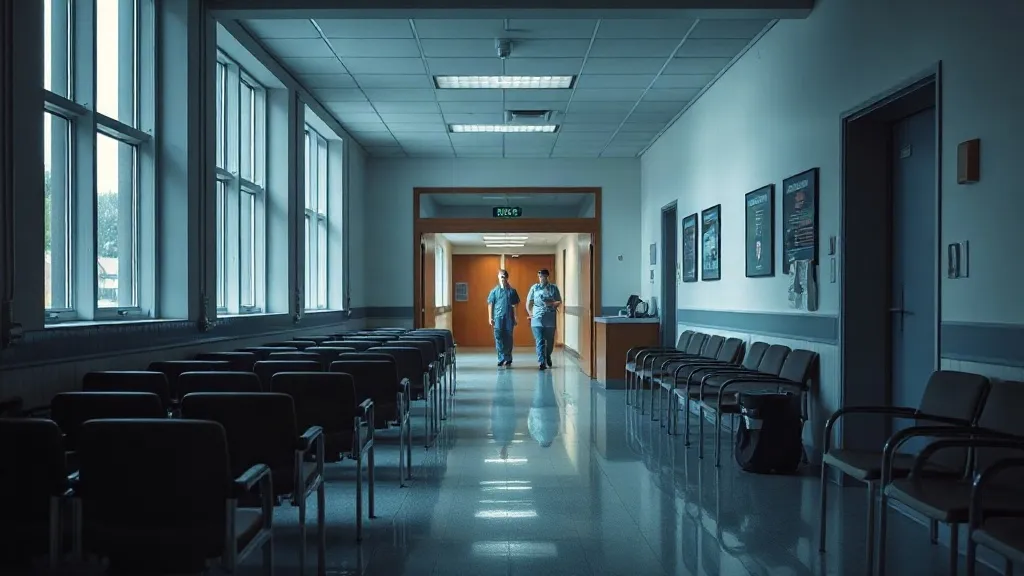
Hospital doctors in Northern Ireland are preparing to walk out in November, a move that will ratchet up pressure on a health service already stretched to its limits. The British Medical Association (BMA), which represents the doctors, has confirmed the planned industrial action, though the exact dates and duration are still being finalised. The dispute centres on pay, with doctors arguing that years of below-inflation awards have left them significantly worse off and struggling to keep up with the cost of living.
The announcement comes amid a broader wave of industrial action across the UK's health sector, but Northern Ireland's situation is particularly acute. The region has the longest waiting lists in the UK, and any disruption to hospital services could have serious consequences for patients. Health leaders are urging both sides to return to the negotiating table, but so far, there is little sign of a breakthrough.
Why Are Doctors Striking?
The core issue is pay. The BMA says that hospital doctors in Northern Ireland have seen their real-terms pay fall by more than a quarter since 2008, when adjusted for inflation. This means that despite working longer hours and facing increasingly complex cases, many doctors are effectively earning less than they did over a decade ago. The union is calling for a pay uplift that at least matches inflation, but the government has so far offered a lower increase, citing budget constraints.
For many doctors, the frustration goes beyond the numbers. They point to chronic understaffing, crumbling infrastructure, and a lack of investment in training and retention. The pay dispute is a symptom of a wider malaise in the health service, and the strike is seen by some as a last resort after months of failed negotiations.
The Pay Gap in Context
To understand the scale of the grievance, it helps to look at how pay has evolved. In the years following the 2008 financial crisis, public sector pay was capped or frozen across the UK. For doctors in Northern Ireland, this meant that annual increases often fell below the rate of inflation. Over time, the cumulative effect has been a significant erosion of earnings. According to the BMA, a consultant who earned around £100,000 in 2008 would need to earn over £140,000 today just to have the same purchasing power. In reality, many are earning far less.
This gap has not gone unnoticed by younger doctors, who are increasingly choosing to leave Northern Ireland for better-paid positions in other parts of the UK or abroad. The resulting brain drain exacerbates staffing shortages, putting even more pressure on those who remain. The strike is therefore not just about immediate pay, but about the long-term viability of the medical workforce in the region.
What the Strike Means for Patients
When doctors strike, the impact is felt most acutely by patients. Hospitals will need to prioritise emergency care, which means that many routine appointments, elective surgeries, and outpatient clinics will be postponed. This is a bitter pill for patients who have already been waiting months, sometimes years, for treatment.
Northern Ireland's waiting lists are the worst in the UK. As of the latest figures, over 400,000 people are waiting for elective care, with a significant proportion waiting longer than a year. Any further delays will only deepen this backlog. Health trusts are drawing up contingency plans to minimise disruption, but with staffing levels already thin, there is limited room for manoeuvre.
Emergency departments will remain open, and doctors have committed to providing urgent and life-saving care. However, patients should expect longer waits and possible cancellations. The BMA has advised patients to attend appointments unless they are contacted directly, but to be prepared for changes at short notice.
The Human Cost of Waiting
Behind the statistics are real people. For someone waiting for a hip replacement, an extra few months can mean increased pain and reduced mobility. For a patient awaiting a cancer diagnosis, delays can be life-threatening. The strike will inevitably add to this distress, and that is a heavy burden for doctors to bear. Many are striking with a sense of reluctance, aware that their actions will cause hardship. But they argue that the alternative, a continued exodus of staff and further deterioration of services, would be worse in the long run.
Government Response and Budget Pressures
The Northern Ireland Department of Health has expressed disappointment at the strike announcement, urging the BMA to continue talks. However, the department is operating under severe financial constraints. The region's health budget has been under pressure for years, and the absence of a functioning executive for much of the past decade has made strategic planning difficult.
In the absence of a devolved government, decisions on pay are effectively made by the Secretary of State for Northern Ireland, who has limited room to manoeuvre. The UK government has provided additional funding to help with pandemic recovery and waiting list reduction, but this money is ring-fenced for specific projects and cannot simply be redirected to pay rises.
Doctors argue that pay is not just a cost but an investment. Better pay would help retain experienced staff, reduce reliance on expensive locum doctors, and improve patient care. The government, however, is wary of setting a precedent that could lead to similar demands from other public sector workers.
How We Got Here: A Timeline of Discontent
The current dispute did not emerge overnight. It is the culmination of years of frustration. In 2018, doctors in Northern Ireland held a series of strikes over pay and staffing, but the issues remained unresolved. The COVID-19 pandemic then put industrial action on hold, as the health service focused on the emergency response. During the pandemic, doctors worked under immense pressure, often at personal risk. Many hoped that their efforts would be recognised with a meaningful pay rise. Instead, they received a below-inflation award, which felt like a slap in the face.
Since then, negotiations have stalled. The BMA has held several ballots for industrial action, and the latest one returned a strong mandate for strikes. The union has been careful to frame the action as a last resort, but it is clear that members are determined to see a change.
What Happens Next?
The strike is scheduled for November, but the exact dates are yet to be announced. The BMA has said it will provide at least two weeks' notice to allow hospitals to prepare. In the meantime, both sides have indicated a willingness to talk, but there is no sign of a compromise.
If the strike goes ahead, it will be the first time hospital doctors in Northern Ireland have taken industrial action since 2018. The outcome will depend on whether the government can find extra money to fund a pay rise, or whether doctors will be forced to accept a deal they consider inadequate. Either way, the coming weeks will be tense.
For patients, the advice is to keep an eye on local health trust announcements and to contact their GP or hospital if they have concerns. For the health service, the strike is a stark reminder of the challenges it faces. Without a resolution, the cycle of discontent is likely to continue, with potentially serious consequences for everyone who relies on the NHS in Northern Ireland.
Frequently Asked Questions
When exactly will the strike take place?
The BMA has announced that the strike will occur in November, but specific dates have not yet been confirmed. The union will provide at least two weeks' notice before any action to allow hospitals to make contingency plans.
Will emergency care still be available during the strike?
Yes, doctors have committed to providing emergency and urgent care. However, routine appointments and elective surgeries are likely to be postponed. Patients should attend A&E only for genuine emergencies.
How will the strike affect waiting lists?
The strike will inevitably add to waiting lists, which are already the longest in the UK. Hospitals will prioritise urgent cases, but many patients will face delays. The full impact will depend on the duration of the strike and how many doctors participate.
Can I still see my GP during the strike?
GP services are not directly involved in this dispute, so your GP practice should operate as normal. However, if you have a hospital appointment, check with the hospital before travelling.
What is the BMA asking for?
The BMA is seeking a pay uplift that at least matches inflation to address years of real-terms pay cuts. It also wants broader investment in staffing and training to improve retention and patient care.