
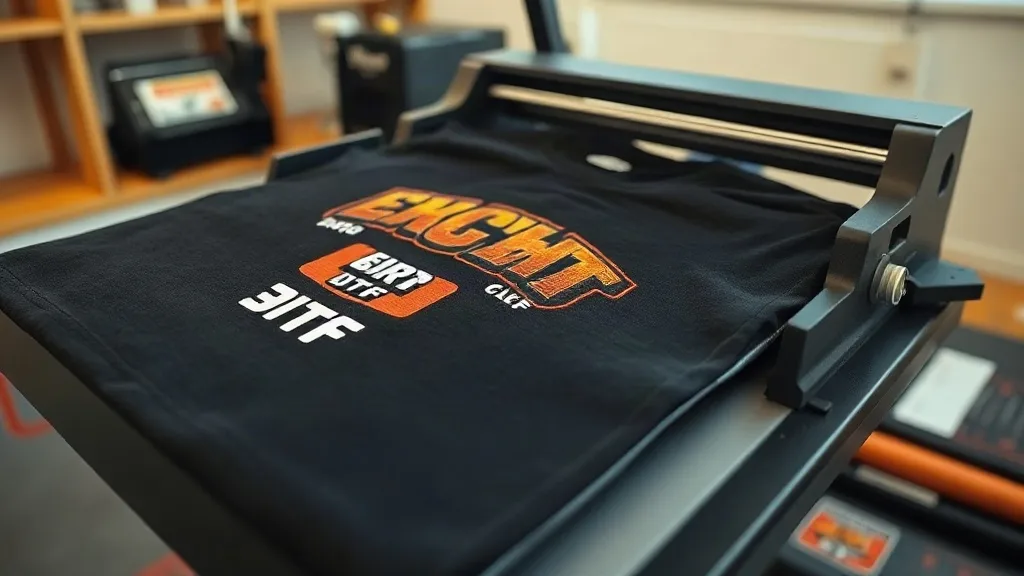
In the dynamic world of custom apparel, staying ahead means embracing technologies that deliver both quality and versatility. One such game-changer is dtf printing, a method that has rapidly gained traction among designers, small business owners, and DIY enthusiasts. Unlike traditional techniques, dtf transfers offer a seamless way to bring intricate designs to life on a wide range of fabrics. Whether you're a seasoned professional or just starting out, understanding this technology can unlock new creative possibilities and streamline your production process.
Imagine being able to print full-color, highly detailed graphics onto cotton, polyester, blends, and even nylon without the hassle of weeding or cutting. That's the promise of dtf transfers. In this guide, we'll dive deep into what DTF printing is, how it works, and why it might be the perfect solution for your next project. We'll also share practical tips to help you achieve professional results every time.
What Are DTF Transfers?
DTF stands for Direct to Film, a printing process where your design is printed onto a special film, coated with a powdered adhesive, and then heat-pressed onto the fabric. The result is a durable, vibrant transfer that bonds permanently with the material. Unlike DTG (Direct to Garment) printing, which requires pretreatment and works best on cotton, dtf transfers can adhere to almost any fabric type, including those with high polyester content or even leather.
The magic lies in the adhesive powder. After printing with specialized pigment inks, the film is dusted with a thermoplastic powder that melts under heat, creating a strong bond between the ink and the fabric. This process allows for incredible detail and color intensity that rivals screen printing, but with far less setup.
How DTF Printing Works: Step by Step
Understanding the workflow of DTF printing can help you decide if it's right for your business. Here's a breakdown of the key steps:
- Design Preparation: Create your artwork in a graphics program and mirror it horizontally before printing. This ensures the design faces the correct way when transferred.
- Printing: Using a DTF printer, the design is printed onto a PET film with pigment inks. The printer lays down a white ink base (if needed) and then the color layers.
- Powder Application: While the ink is still wet, a thermoplastic powder is applied evenly over the print. Excess powder is shaken off.
- Curing: The film is then heated to melt the powder, usually with a heat press or a curing oven. This step is crucial for the transfer's durability.
- Transfer: The cured film is placed on the fabric and heat-pressed again, this time to bond the design to the garment. After cooling, the film is peeled away, leaving the vibrant design behind.
Each step requires attention to detail, but the overall process is more forgiving than many traditional methods. For instance, you can prepare multiple transfers in advance and store them for later use, making it ideal for on-demand production.
Why Choose DTF Transfers for Your Custom Apparel?
The benefits of DTF printing extend beyond just the ability to print on diverse fabrics. Here are some compelling reasons to consider this technology:
- Unmatched Versatility: From cotton t-shirts to polyester jerseys, denim jackets to canvas bags, dtf transfers work on virtually any material. This opens up a world of possibilities for product offerings.
- Vibrant Colors and Fine Details: DTF printers can produce photorealistic images with gradients, fine lines, and small text that remain crisp and clear.
- Durability: When applied correctly, DTF transfers withstand repeated washing without fading, cracking, or peeling. They stretch with the fabric, making them suitable for performance wear.
- No Weeding or Cutting: Unlike vinyl, there's no need to weed out excess material. This saves time and reduces waste.
- Cost-Effective for Short Runs: Without the setup costs of screen printing, DTF is economical for small batches and one-off designs.
- Soft Hand Feel: The transfers are thin and flexible, so the garment doesn't feel stiff or heavy.
These advantages make DTF a preferred choice for businesses that offer personalized products, from custom t-shirt shops to promotional merchandise companies.
DTF vs. Other Printing Methods
To appreciate DTF fully, it helps to compare it with other common printing techniques.
DTF vs. DTG
DTG printing is excellent for 100% cotton garments and produces a soft feel, but it requires pretreatment and can be less vibrant on dark colors. DTF, on the other hand, works on any fabric, needs no pretreatment, and delivers consistent results on both light and dark materials.
DTF vs. Screen Printing
Screen printing is cost-effective for large orders and offers very durable prints, but it involves lengthy setup, color limitations, and is not practical for small runs or complex designs. DTF shines in short to medium runs and handles full-color graphics with ease.
DTF vs. Vinyl
Heat transfer vinyl (HTV) is great for simple designs and single-color text, but it requires weeding and layering for multi-color designs. DTF eliminates weeding and allows for intricate, multi-color prints in one go.
Each method has its place, but DTF's flexibility and quality make it a strong contender for a wide range of applications.
Applications of DTF Transfers
The versatility of DTF printing means it can be used for much more than just t-shirts. Here are some popular applications:
- Apparel: T-shirts, hoodies, polo shirts, leggings, and jackets.
- Accessories: Tote bags, hats, aprons, and socks.
- Home Decor: Pillowcases, blankets, and wall hangings.
- Promotional Items: Corporate giveaways, event merchandise, and team uniforms.
Because DTF transfers adhere to so many surfaces, it's also used on non-fabric items like wood, metal, and ceramics when coated properly. This opens up opportunities for custom gifts and specialty products.
Tips for Successful DTF Printing
To get the best results from your DTF transfers, keep these expert tips in mind:
- Choose Quality Supplies: Not all DTF films and powders are created equal. Invest in reputable brands to ensure consistent performance.
- Control Moisture: Humidity can affect the powder application and curing. Store materials in a dry environment and use a dehumidifier if needed.
- Preheat the Fabric: Before pressing, preheat the garment to remove wrinkles and moisture, which helps the transfer bond better.
- Use the Right Pressure and Temperature: Follow the manufacturer's recommendations for your heat press settings. Typically, temperatures range from 300°F to 350°F (150°C to 175°C) with medium to high pressure.
- Peel with Care: Allow the transfer to cool completely before peeling for a matte finish, or peel hot for a glossy effect. Experiment to see what works best for your design.
- Wash Inside Out: To prolong the life of the print, advise customers to wash garments inside out in cold water and avoid harsh detergents.
By following these guidelines, you can achieve professional-grade results that impress your customers.
Choosing the Right DTF Printer and Supplies
If you're considering adding DTF printing to your business, you'll need to invest in the right equipment. There are several DTF printer models on the market, from entry-level to industrial-scale. Key factors to consider include print width, speed, ink type, and maintenance requirements.
For beginners, a printer with a 13-inch width is often sufficient, while larger operations may opt for 24-inch or wider models. Additionally, you'll need a heat press capable of reaching the required temperatures, a powder shaker (manual or automatic), and a curing oven or heat press for the powder melting step.
When it comes to supplies, quality films and powders are essential. Look for films that provide good ink release and powders with a fine consistency for smooth adhesion. It's also wise to test different combinations to find what works best for your typical designs and fabrics.
Frequently Asked Questions About DTF Transfers
How long do DTF transfers last?
When applied correctly and cared for properly, DTF transfers can last as long as the garment itself. They are resistant to cracking, fading, and peeling, even after multiple washes. Following the recommended washing instructions will ensure maximum longevity.
Can I use DTF transfers on dark fabrics?
Absolutely. DTF printing uses a white ink base that allows vibrant colors to show up brilliantly on dark backgrounds. This is one of the key advantages over DTG, which may require a white underbase that can affect the feel.
Do I need special equipment to apply DTF transfers?
To apply DTF transfers, you need a heat press that can reach temperatures of at least 300°F (150°C) and apply consistent pressure. A home iron is not recommended as it doesn't provide even heat and pressure, which can result in poor adhesion.
Are DTF transfers safe for children's clothing?
Yes, DTF transfers are safe for children's clothing as long as they are applied correctly. The inks and powders used are typically non-toxic and comply with safety regulations. However, always check the manufacturer's specifications for any specific certifications.
Can I stretch DTF transfers?
DTF transfers have some elasticity and can stretch with the fabric to a certain degree. However, excessive stretching may cause the print to crack over time. It's best to avoid stretching the printed area forcefully.
What is the difference between DTF and DTG?
DTF (Direct to Film) involves printing on a film, powdering, and transferring to the fabric, while DTG (Direct to Garment) prints directly onto the garment. DTF works on more fabric types and doesn't require pretreatment, whereas DTG is primarily for cotton and often needs pretreatment for best results.
Final Thoughts
DTF printing is more than just a trend; it's a robust solution that addresses many of the limitations of traditional apparel decoration methods. Its ability to produce high-quality, durable transfers on almost any fabric makes it an invaluable tool for businesses and creators alike. By understanding the process, investing in the right equipment, and following best practices, you can elevate your custom apparel offerings and delight your customers.
Whether you're looking to expand your product line or streamline your production, dtf transfers are worth exploring. With ongoing advancements in ink and film technology, the possibilities are only growing. So why not give it a try? Your next best-selling design might just be a DTF transfer away.