
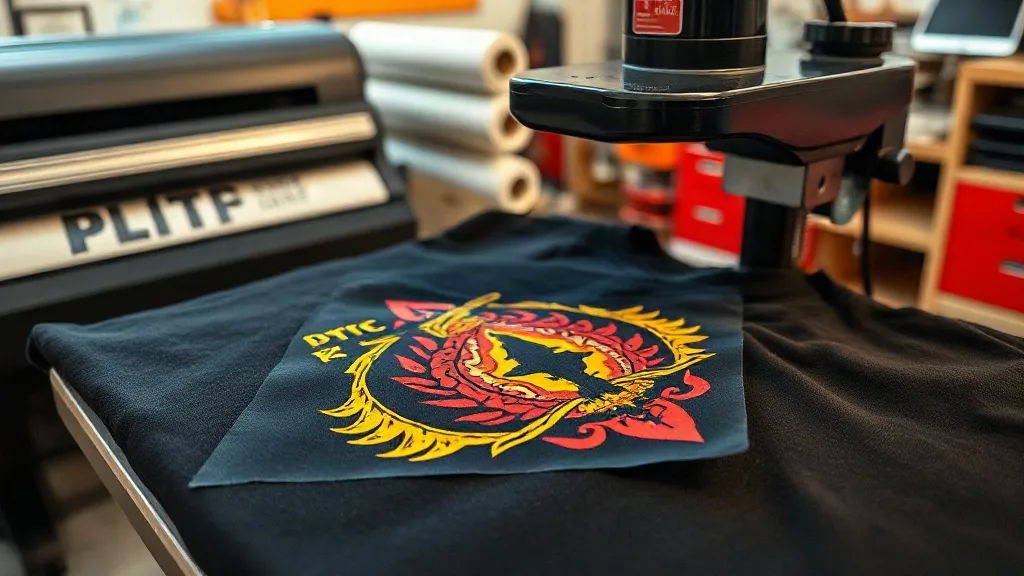
Imagine pressing a vibrant, full-color design onto a cotton tote bag or a polyester jersey with the ease of a heat press and the durability of a screen print. That's the promise of dtf (Direct to Film) printing, a technology that's rapidly reshaping the custom apparel industry. Unlike traditional methods that require separate screens or specialized inks, DTF transfers offer a streamlined workflow that delivers stunning results on nearly any fabric. In this article, we'll dive deep into what DTF transfers are, how they work, and why they might be the perfect solution for your next printing project.
What Are DTF Transfers?
DTF transfers are a type of heat-applied transfer that uses a special film and adhesive powder to bond pigment-based inks to fabric. The process begins with printing your design onto a PET film using a DTF printer. The printer lays down a layer of white ink (for opacity) followed by CMYK colors, and finally a layer of adhesive powder is applied while the ink is still wet. This powder melts and fuses with the ink during curing, creating a flexible, stretchable transfer that can be heat-pressed onto garments.
The key difference between DTF and other transfer methods like DTG (Direct to Garment) or sublimation is the versatility and durability. DTF transfers can be applied to a wide range of fabrics, including cotton, polyester, blends, and even leather, without the need for pre-treatment. They also produce vibrant colors and fine details that rival screen printing, making them ideal for small businesses, crafters, and anyone looking to create professional-grade custom apparel.
Why DTF Transfers Are Gaining Popularity
The rise of DTF transfers can be attributed to several factors that address common pain points in the apparel decoration industry. Let's explore the main advantages that make this technology a standout choice.
1. Unmatched Versatility Across Fabrics
One of the biggest challenges in garment printing is finding a method that works well on different materials. Screen printing struggles with dark colors and complex designs, while DTG often requires pre-treatment and works best on 100% cotton. Sublimation only works on polyester or specially coated surfaces. DTF transfers, however, adhere beautifully to almost any fabric. Whether you're printing on a 100% cotton t-shirt, a polyester athletic jersey, a canvas bag, or even a leather jacket, DTF delivers consistent results. This versatility opens up new possibilities for customizing items that were previously difficult or impossible to decorate.
2. Vibrant Colors and High Detail
DTF printing uses pigment-based inks that produce rich, saturated colors. Because the process includes a white ink base, designs can be printed on both light and dark garments without losing vibrancy. The white layer acts as an opaque foundation, ensuring that colors pop even on black or navy backgrounds. Additionally, DTF printers can reproduce fine details, gradients, and photographic images with impressive accuracy. This makes DTF transfers perfect for intricate logos, detailed artwork, and full-color photographs.
3. Durability and Stretchability
When properly applied, DTF transfers are incredibly durable. The adhesive powder creates a strong bond with the fabric fibers, and the ink layer remains flexible, allowing it to stretch and move with the garment without cracking or peeling. This is especially important for performance wear and activewear, where garments are subjected to frequent stretching and washing. Many DTF prints can withstand dozens of wash cycles while maintaining their color and integrity, making them a cost-effective choice for both personal and commercial use.
4. Simplified Workflow and Cost-Effectiveness
Traditional screen printing requires creating a separate screen for each color, which can be time-consuming and expensive for small runs. DTF transfers eliminate this need: you print the design, apply powder, cure it, and press it. No screens, no messy chemicals, and no minimum order quantities. For small businesses or individuals who want to print one-off items or small batches, DTF is a game-changer. The cost per print is also competitive, especially when you consider the lack of setup fees and the ability to use the same transfer on multiple fabric types.
How to Use DTF Transfers: A Step-by-Step Guide
Getting started with DTF transfers is straightforward, but following the correct steps ensures optimal results. Here's a detailed walkthrough of the process.
Step 1: Prepare Your Design
Create your artwork in a graphic design program like Adobe Photoshop or Illustrator. Ensure that the design is mirrored (flipped horizontally) before printing, as the transfer will be pressed face-down onto the fabric. The resolution should be high (300 DPI or more) for crisp details. If your design has transparent areas, the white ink layer will fill them, so consider how you want the final print to look.
Step 2: Print on DTF Film
Load the DTF film into your DTF printer. These printers are specifically designed to handle the special film and use pigment inks. The printer will first lay down a white ink layer, then the CMYK colors. Some printers also allow you to adjust the white ink density for different fabric colors. After printing, the film will have a wet, tacky surface.
Step 3: Apply Adhesive Powder
While the ink is still wet, generously sprinkle the adhesive powder over the printed area. Shake off any excess powder, then place the film in a curing oven or under a heat press for a few minutes. The heat melts the powder, causing it to bond with the ink. This step is crucial for creating a strong adhesive bond when pressing.
Step 4: Heat Press the Transfer
Set your heat press to the recommended temperature (usually around 300-320°F or 150-160°C) and pressure (medium to high). Place the transfer face-down onto the garment, ensuring it's positioned correctly. Press for 10-15 seconds, then remove the garment and peel the film off while it's still warm (warm peel) or after it cools (cold peel), depending on the film type. Always follow the instructions provided with your DTF film and powder.
Step 5: Post-Press and Care
After peeling, you may want to press the garment again for a few seconds with a protective sheet to ensure the transfer is fully adhered. For washing, turn the garment inside out and use cold water. Avoid bleach and fabric softeners, and tumble dry on low or hang dry. With proper care, your DTF print will last for many wears.
Common Applications of DTF Transfers
DTF transfers are used in a variety of settings, from small home businesses to large-scale production. Here are some popular applications:
- Custom T-shirts and Hoodies: Ideal for personalizing apparel with names, logos, or artwork.
- Sports Jerseys and Activewear: The stretchability and durability make DTF perfect for performance fabrics.
- Tote Bags and Accessories: Add vibrant designs to canvas bags, hats, and even shoes.
- Corporate Uniforms: Create professional branded workwear with detailed logos.
- Promotional Items: Quick turnaround for events and giveaways.
Choosing the Right DTF Supplies
The quality of your DTF transfers depends heavily on the supplies you use. Here are key factors to consider:
- DTF Film: Look for films that are compatible with your printer and offer good ink absorption. Double-sided matte film is popular for its reliability.
- Adhesive Powder: Choose a powder with a low melting point and strong bonding properties. TPU-based powders are common and provide flexibility.
- Inks: Use high-quality DTF pigment inks designed for your printer model. Off-brand inks may clog printheads or produce poor color vibrancy.
- Heat Press: A reliable heat press with accurate temperature and pressure control is essential. Clamshell or swing-away presses work well.
Investing in good supplies will save you time and frustration, and ensure professional-looking results.
DTF vs. Other Printing Methods
To appreciate the value of DTF, it helps to compare it with other popular decoration methods.
DTF vs. Screen Printing
Screen printing is cost-effective for large orders of simple designs, but it requires separate screens for each color and has high setup costs. DTF is better for small runs, complex designs, and multi-color prints. DTF also works on a wider range of fabrics.
DTF vs. DTG
DTG (Direct to Garment) printing is great for 100% cotton garments and produces soft-hand prints. However, it often requires pre-treatment, and the colors may not be as vibrant on dark fabrics. DTF offers superior opacity and works on more materials, though the print may feel slightly thicker.
DTF vs. Sublimation
Sublimation produces no feel on the garment and is very durable, but it only works on polyester or specially coated items. DTF can be used on cotton and blends, and it doesn't require special coatings.
Tips for Success with DTF Transfers
To get the best results, keep these tips in mind:
- Test your settings: Every heat press and film combination behaves differently. Always do a test press to find the optimal temperature, pressure, and time.
- Store transfers properly: Keep unused transfers in a cool, dry place away from direct sunlight to prevent the adhesive from activating prematurely.
- Use a Teflon sheet: When pressing, place a Teflon sheet or parchment paper over the transfer to protect your heat press and the garment.
- Peel at the right temperature: Follow the film manufacturer's instructions for warm or cold peel to avoid damaging the design.
- Practice good hygiene: Keep your printer and workspace clean to avoid dust and debris affecting the print quality.
Frequently Asked Questions About DTF Transfers
What fabrics can I use with DTF transfers?
DTF transfers can be applied to a wide range of fabrics, including cotton, polyester, cotton-poly blends, nylon, leather, and even some treated woods. They are not recommended for fabrics with a very loose weave or those that cannot withstand heat.
How long do DTF transfers last?
With proper application and care, DTF transfers can last as long as the garment itself. They are resistant to cracking, peeling, and fading, and can withstand multiple wash cycles. Following the washing instructions (cold water, inside out, no bleach) will maximize longevity.
Can I print DTF transfers at home?
Yes, you can set up a DTF printing system at home with a DTF printer, film, powder, and a heat press. It requires an initial investment, but it's a viable option for small businesses or hobbyists. Alternatively, you can order pre-printed DTF transfers from online services and just apply them with a heat press.
Do I need special software for DTF printing?
You can use standard graphic design software like Adobe Photoshop, Illustrator, or CorelDRAW to create your designs. The key is to ensure your design is mirrored and saved in a high-resolution format. Some DTF printers come with RIP software that helps manage color and white ink layers.
Is DTF printing cost-effective for small orders?
Absolutely. DTF printing has no minimum order quantity and no setup fees, making it very cost-effective for small batches or one-off items. The cost per print is reasonable, especially when compared to screen printing for small runs.
Final Thoughts
DTF transfers are more than just a trend; they represent a significant advancement in garment decoration. With their ability to produce vibrant, durable prints on almost any fabric, they empower creators, small businesses, and large manufacturers alike. Whether you're looking to start a custom apparel business or simply want to personalize your own wardrobe, DTF transfers offer a reliable and versatile solution. As the technology continues to evolve, we can expect even more innovations that will further simplify the printing process and expand creative possibilities. So why not give DTF a try? Your next custom creation could be just a press away.