
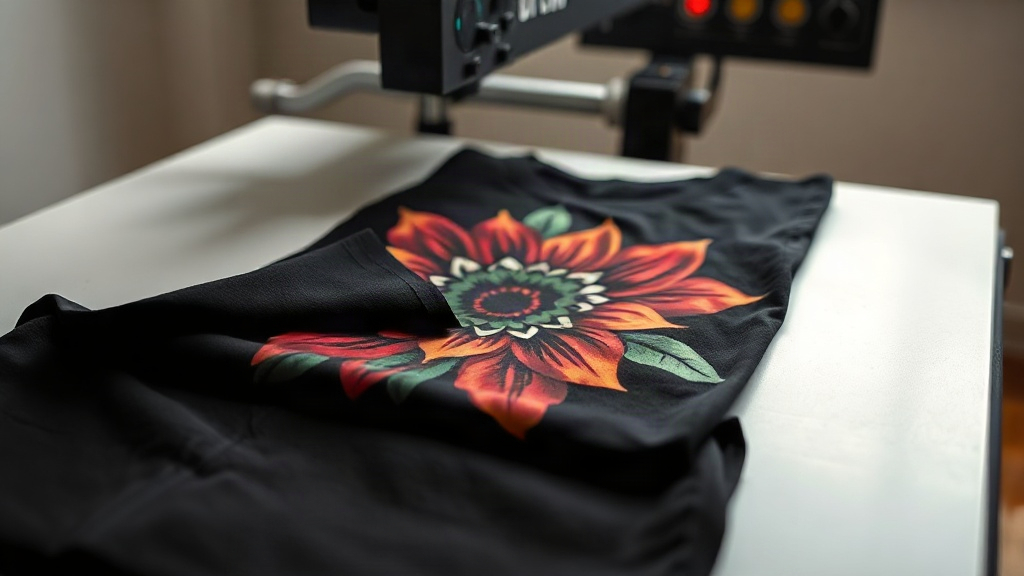
Imagine creating vibrant, durable, and incredibly detailed custom t-shirts, tote bags, or even hats without the mess of traditional screen printing or the limitations of vinyl cutting. That's the reality of DTF transfers, and once you try them, you might never go back. As someone who has spent countless weekends perfecting custom apparel in my garage workshop, I can tell you that discovering DTF printing felt like upgrading from a bicycle to a sports car. The detail is sharper, the colors pop more, and the durability is outstanding. This guide will walk you through everything you need to know about DTF transfers, from what they are to how to use them like a pro, and even how to find reliable DTF transfers near me for your next project.
What Exactly Are DTF Transfers and Why Are They a Game Changer?
DTF stands for "Direct to Film." In simple terms, a DTF transfer is a full-color design printed onto a special PET film with specialized inks, then coated with a hot-melt adhesive powder. Once cured, this film can be heat-pressed onto almost any fabric. Unlike DTG (Direct to Garment) which prints directly onto the shirt, or sublimation which only works on polyester and light colors, DTF transfers are incredibly versatile. They work on cotton, polyester, blends, denim, nylon, and even some non-textile surfaces like wood or leather with the right settings. The result is a soft, flexible, and long-lasting print that can handle intricate details, gradients, and even photographic images with ease.
I remember my first attempt at a multi-color design with heat transfer vinyl (HTV). I spent hours weeding tiny pieces, only to have the design crack after a few washes. With DTF transfers, I uploaded the same design, received a single sheet with everything perfectly printed, and pressed it in under 20 seconds. The colors were vibrant, the fine lines were crisp, and after 30 washes, it still looked brand new. That's the kind of reliability that turns a hobby into a small business.
How DTF Transfers Work: The Step-by-Step Process
Understanding the process helps you appreciate the quality and troubleshoot any issues. Here’s a breakdown of how professional DTF transfers are made:
- Your design is printed in reverse onto a clear PET film using specially formulated DTF inks. CMYK plus white ink is standard, ensuring opacity on dark fabrics.
- While the ink is still wet, a fine layer of hot-melt adhesive powder is applied evenly over the entire printed area.
- The film is then passed through a curing oven or heat tunnel to melt the powder just enough to bond with the ink, creating a solid transfer layer.
- Once cooled, the transfer is ready to be heat-pressed onto your garment. The heat reactivates the adhesive, permanently bonding the design to the fabric.
This process results in a transfer that is not only easy to apply but also incredibly durable. The white underbase in DTF printing ensures colors remain true even on black or navy fabrics, something that traditional transfer methods often struggle with.
Choosing the Right DTF Transfers for Your Project
Not all DTF transfers are created equal. The quality of film, ink, and adhesive can vary significantly between suppliers. Here are key factors to consider:
Film Quality
A good PET film should be thick enough to feed through your printer without jamming but thin enough to release cleanly from the adhesive after pressing. Cold-peel films are common; they require the transfer to cool completely before peeling, which ensures the design stays intact. Hot-peel films are faster but can sometimes pull up fine details if not handled correctly.
Ink and Color Vibrancy
Look for suppliers who use high-quality, eco-friendly inks with a wide color gamut. The white ink layer should be dense and opaque to ensure colors pop on dark garments. Fading, cracking, or a dull appearance after washing are signs of inferior ink.
Adhesive Powder
The adhesive powder is what makes the transfer stick. It should be evenly distributed and properly cured. Too little powder and the design won't adhere; too much and it can feel rubbery or peel off. A good transfer should feel soft and flexible, moving with the fabric rather than against it.
Turnaround Time and Shipping
If you're working on a deadline, look for suppliers offering fast turnaround. Many companies now offer rush production and shipping. When searching for DTF transfers near me, consider local businesses that might offer same-day pickup, but don't compromise on quality for convenience.
How to Apply DTF Transfers Like a Pro
Applying a DTF transfer is straightforward, but attention to detail makes all the difference. Here’s my tried-and-true method:
- Prepare your garment: Pre-press the shirt or item for 5-10 seconds to remove moisture and wrinkles. This ensures a flat, smooth surface for the transfer.
- Position the transfer: Place the DTF transfer with the printed side down (adhesive side facing up) onto the garment. Use heat-resistant tape to secure the edges if needed to prevent shifting.
- Set your heat press: The ideal settings are usually 300-320°F (150-160°C) with medium to firm pressure for 10-15 seconds. Always follow the specific instructions provided by your transfer supplier, as settings can vary.
- Press: Close the heat press and apply even pressure. Avoid moving the press during the process.
- Cool and peel: Allow the transfer to cool completely (cold peel) or follow the supplier's instructions for hot peel. Start peeling from one corner slowly and steadily. If any part of the design lifts, stop, place the film back down, and re-press for a few more seconds.
- Final press: Optionally, cover the design with parchment paper or a Teflon sheet and press again for 5-10 seconds to set the adhesive and give it a softer feel.
Pro tip: Always test on a scrap piece of fabric first, especially if you're working with unusual materials like nylon or leather. Adjust temperature and time accordingly.
Common Mistakes to Avoid with DTF Transfers
Even with the best DTF transfers, mistakes happen. Here are some frequent pitfalls and how to avoid them:
- Incorrect pressure: Too little pressure means poor adhesion; too much can cause the ink to bleed or the fabric to scorch. Medium to firm pressure is usually best.
- Wrong temperature: Too low and the adhesive won't melt properly; too high and you risk burning the film or damaging delicate fabrics. Use a reliable heat press with accurate temperature control.
- Peeling too early: For cold-peel transfers, patience is key. Peeling while still warm can stretch the design or pull up small details.
- Not pre-pressing: Skipping this step can trap moisture, causing bubbles or poor adhesion. Always pre-press for a few seconds.
- Using a household iron: While possible for small designs, a heat press provides even heat and pressure that an iron cannot match. For consistent results, invest in a quality heat press or use a professional service.
Where to Find Quality DTF Transfers: Online vs. Local
When you're ready to order, you have two main options: online suppliers or local print shops. Searching for DTF transfers near me can yield local businesses that offer quick turnaround and the ability to see samples in person. However, online suppliers often have more competitive pricing, a wider range of customization options, and customer reviews to guide your choice.
I've used both. For a last-minute birthday gift, I found a local shop via a quick search for DTF transfers near me and picked up my order the same afternoon. The convenience was unbeatable. For larger orders or when I need specific film types, I rely on established online companies with proven track records. Whichever route you choose, always ask for samples or swatch books if available, and read reviews carefully. Look for suppliers who use high-quality materials and offer clear application instructions.
Creative Ideas for Using DTF Transfers
The versatility of DTF transfers opens up a world of creative possibilities. Here are some ideas to spark your imagination:
- Custom team jerseys: Create full-color logos and numbers that withstand repeated washing and rough play.
- Personalized gifts: Put family photos or custom artwork on tote bags, aprons, or pillowcases.
- Small business branding: Produce your own branded merchandise without minimum order quantities.
- Fashion statements: Apply intricate, detailed designs to denim jackets, hats, or even shoes.
- Event merchandise: Make shirts for reunions, charity runs, or church groups with ease.
One of my favorite projects was creating matching t-shirts for a family reunion. Each shirt had a different family member's name in a beautiful script font, along with a colorful tree design. With DTF transfers, I could include multiple colors and fine lines that would have been impossible with vinyl. The shirts were a hit, and they've held up through dozens of washes.
DTF Transfers vs. Other Methods: A Quick Comparison
To help you decide if DTF is right for you, here's a quick comparison with other popular methods:
- DTF vs. DTG: DTG prints directly onto the garment and is great for one-off, highly detailed prints on cotton. However, DTG often requires pre-treatment for dark garments, which can leave a residue. DTF transfers work on a wider range of fabrics and don't require pre-treatment.
- DTF vs. Sublimation: Sublimation only works on polyester and light colors because the dye becomes part of the fabric. DTF transfers can be applied to any color and most fabric types, including cotton.
- DTF vs. HTV: Heat transfer vinyl requires cutting and weeding each color separately, limiting detail and increasing labor. DTF prints the entire design in one pass, including gradients and photographic images.
- DTF vs. Screen Printing: Screen printing is cost-effective for very large orders but has high setup costs and limited color counts. DTF transfers have no setup fees and can reproduce complex designs with unlimited colors.
For many small businesses and hobbyists, DTF transfers offer the perfect balance of quality, versatility, and affordability.
Caring for DTF Printed Garments
To ensure your custom apparel lasts as long as possible, proper care is essential. Follow these tips:
- Turn the garment inside out before washing.
- Wash in cold water on a gentle cycle.
- Use mild detergent; avoid bleach or fabric softeners, which can break down the adhesive.
- Hang dry or tumble dry on low heat. High heat can cause the print to crack or peel over time.
- If ironing is needed, iron on the reverse side of the design or use a pressing cloth. Never iron directly on the print.
With proper care, a well-applied DTF transfer can last for 50 or more washes without significant fading or cracking. I have shirts from two years ago that still look nearly new, which is a testament to the durability of this method.
Frequently Asked Questions About DTF Transfers
What does DTF stand for in printing?
DTF stands for "Direct to Film." It is a printing method where designs are printed onto a special film and then transferred to fabric using heat and pressure. The process involves printing with DTF inks, applying an adhesive powder, and curing the transfer before heat pressing it onto the garment.
Can I use DTF transfers on dark fabrics?
Absolutely. One of the biggest advantages of DTF transfers is their ability to print vibrant colors on dark fabrics. The process includes a white ink underbase that ensures colors remain bright and opaque on black, navy, or other dark materials. This makes DTF ideal for custom t-shirts, hoodies, and other dark garments.
How long do DTF transfers last on clothing?
When applied correctly and cared for properly, DTF transfers can last for 50 or more wash cycles without significant fading, cracking, or peeling. Key factors include using high-quality transfers, applying with correct heat and pressure, and washing garments inside out in cold water with mild detergent.
Do I need a special printer for DTF transfers?
To produce your own DTF transfers, you would need a dedicated DTF printer with specialized inks and film. However, most people and businesses order custom DTF transfers from professional printing services. This eliminates the need for expensive equipment and ensures high-quality results. You can search for DTF transfers near me to find local providers or order online.
What fabrics can I apply DTF transfers to?
DTF transfers are incredibly versatile and work on a wide range of fabrics including cotton, polyester, blends, denim, nylon, and even some non-textile surfaces like leather and wood with the right settings. This flexibility makes DTF a popular choice for customizing t-shirts, hats, bags, and more.