
When I first started researching dental implants turkey, I was overwhelmed by the sheer volume of information and conflicting advice. My own dental journey began after years of hiding my smile, and the thought of affordable, high-quality treatment abroad felt almost too good to be true. But after speaking with dozens of patients, visiting clinics, and comparing every detail, I realized that Turkey has earned its reputation for a reason. This guide is everything I wish I had known before packing my bags.
Turkey has become a global hub for dental tourism, attracting patients from the UK, Europe, and beyond. The combination of highly trained dentists, state-of-the-art technology, and significantly lower prices makes it a compelling option. However, success depends on careful planning and realistic expectations. Let's break down the essentials so you can make an informed decision.
Why Choose Turkey for Dental Implants?
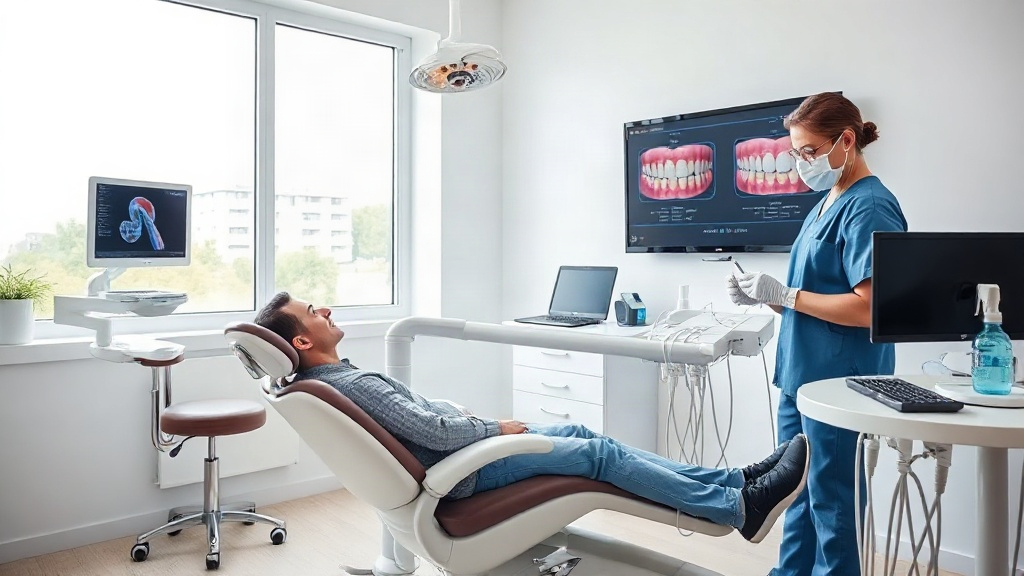
There are several reasons why thousands of people choose Turkey for dental implants each year. The most obvious is cost, but it's not the only factor. Turkish dental clinics often invest heavily in the latest equipment, such as 3D cone beam CT scanners and CAD/CAM milling machines, which allow for precise planning and same-day restorations. Many dentists in Turkey have international training and are members of global dental associations, which adds to their credibility.
Another advantage is the streamlined patient experience. Many clinics offer all-inclusive packages that cover accommodation, airport transfers, and even translation services. This turns a potentially stressful medical trip into a relatively smooth and even enjoyable journey. You can combine your dental treatment with a holiday in Istanbul or Antalya, which is a nice bonus.
Understanding the Costs: What to Expect
One of the most common questions is about dental implants turkey cost. In the UK or the US, a single implant can cost anywhere from $2,000 to $5,000 or more. In Turkey, the same procedure often ranges from $500 to $1,500 per implant, depending on the clinic and the materials used. That's a substantial saving, often 60-70% less.
But why is it so much cheaper? Lower operating costs, competitive market dynamics, and government incentives for medical tourism all play a role. It's important to note that lower cost does not necessarily mean lower quality. Many Turkish clinics use the same implant brands you would find in Western countries, such as Straumann, Nobel Biocare, and Osstem. Always ask about the brand and warranty before committing.
When comparing prices, make sure you understand what is included. Some clinics quote a base price for the implant only, while others include the abutment and crown. A transparent clinic will give you a detailed breakdown. Watch out for hidden fees, such as extra charges for bone grafting or sinus lifts if they are needed.
Full Mouth Dental Implants: A New Smile
For patients who have lost most or all of their teeth, full mouth dental implants turkey offer a life-changing solution. Instead of traditional dentures, a fixed bridge supported by four to eight implants per arch can restore full function and aesthetics. This procedure is often referred to as All-on-4 or All-on-6, depending on the number of implants used.
The process typically involves a comprehensive evaluation, including 3D imaging to assess bone density. If bone volume is insufficient, a bone graft may be recommended, which can extend the treatment timeline. However, many patients are candidates for immediate loading, meaning they receive a temporary fixed prosthesis on the same day as implant placement. The final, permanent bridge is usually fitted after a healing period of three to six months.
The cost for full mouth restoration in Turkey is dramatically lower than in Western countries. A full arch can start from around $3,000, and a complete mouth (both arches) may cost between $6,000 and $12,000, depending on materials and complexity. This is a fraction of the $25,000 to $50,000 you might pay in the US or UK.
How to Choose the Right Clinic
Selecting the right clinic is the single most important decision you will make. Start by researching online reviews on independent platforms like Trustpilot, Google Reviews, and dental tourism forums. Look for clinics with a long track record and a high volume of international patients. Verify the credentials of the dentists. Many reputable clinics display their dentists' education, certifications, and years of experience on their websites.
Don't be afraid to ask for before-and-after photos of previous cases, especially cases similar to yours. A good clinic will be transparent about their success rates and complication rates. Also, inquire about the warranty on implants and crowns. Most quality clinics offer a warranty of at least 5 to 10 years on implants and 2 to 5 years on prosthetic work.
Communication is key. The clinic should have a dedicated patient coordinator who speaks your language fluently and responds promptly to your questions. They should provide a clear treatment plan with a written quote before you travel. Avoid clinics that pressure you into making a quick decision or that offer prices that seem too good to be true.
What to Expect During Your Trip
Most dental implant procedures in Turkey require at least two visits. The first visit is for the surgical placement of the implants, and the second is for the placement of the final crowns or bridge. Some clinics can complete the entire process in one trip if you are getting a full mouth restoration with immediate loading, but this is not always possible for single implants.
Your first visit will typically last 3-5 days. You will have a consultation, 3D scans, and the implant surgery. After surgery, you will have some swelling and discomfort, but most patients can return to normal activities within a few days. The clinic will provide you with post-operative instructions and medications. You will then return home and wait for the implants to integrate with the bone, a process called osseointegration, which takes 3-6 months.
During the healing period, you will wear a temporary restoration. On your second visit, the dentist will check the implants, take impressions, and fabricate your final crowns or bridge. This visit is usually shorter, around 3-4 days. After that, you can enjoy your new smile.
Potential Risks and How to Mitigate Them
Like any medical procedure, dental implants carry some risks. These include infection, implant failure, nerve damage, and sinus complications. However, the risk of serious complications is low when the procedure is performed by a skilled and experienced dentist using proper sterilization protocols.
To minimize risks, choose a clinic that follows strict hygiene standards. Ask about their sterilization processes and whether they use single-use instruments where appropriate. Make sure they have a plan for managing complications, even after you return home. A reputable clinic will offer follow-up support and will be available to consult with your local dentist if needed.
It's also wise to have a dental check-up with your local dentist before you travel. This can identify any underlying issues that might affect your candidacy for implants. After your treatment, maintain good oral hygiene and attend regular dental check-ups to ensure the longevity of your implants.
Making the Most of Your Dental Tourism Experience
Your trip to Turkey for dental implants can be more than just a medical visit. Many patients combine their treatment with a short holiday. Istanbul, for example, is a vibrant city with rich history, delicious food, and world-class shopping. Antalya offers beautiful beaches and a relaxing atmosphere. Just remember to plan your itinerary around your dental appointments, especially the surgery day. You will need to rest and avoid strenuous activities for at least 24-48 hours after surgery.
Consider traveling with a companion who can assist you, especially if you are having multiple implants or a full mouth restoration. Having someone to help with transportation and daily tasks can make the experience much more comfortable. Also, make sure you have travel insurance that covers medical complications, even though dental tourism is often excluded from standard policies. Some specialized insurers offer coverage for medical tourism.
Frequently Asked Questions
How long do dental implants last?
With proper care, dental implants can last a lifetime. The implant itself is made of titanium, which is biocompatible and fuses with the bone. The crown or bridge on top may need replacement after 10-15 years due to normal wear and tear. Regular dental check-ups and good oral hygiene are essential for long-term success.
Is it safe to get dental implants in Turkey?
Yes, it is safe if you choose a reputable clinic with experienced dentists and strict sterilization protocols. Do your research, read reviews, and verify credentials. Avoid clinics that offer extremely low prices or make unrealistic promises. A good clinic will be transparent about their procedures and outcomes.
What is the success rate of dental implants in Turkey?
The success rate for dental implants in Turkey is generally high, often around 95-98%, similar to rates in Western countries. Success depends on factors such as the patient's overall health, bone quality, smoking habits, and the skill of the dentist. Following post-operative instructions is crucial.
Can I get dental implants if I have bone loss?
Yes, in many cases, bone loss can be addressed with bone grafting or sinus lift procedures. These procedures add bone material to the jaw to create a solid foundation for the implants. Your dentist will evaluate your bone density using 3D scans and recommend the appropriate treatment plan.
How soon can I return to work after getting dental implants?
Most patients can return to work within 2-3 days after implant surgery, depending on the extent of the procedure and the nature of their job. You may experience some swelling and discomfort, but this can be managed with pain medication. If your job involves heavy physical labor, you may need to take a week off.