
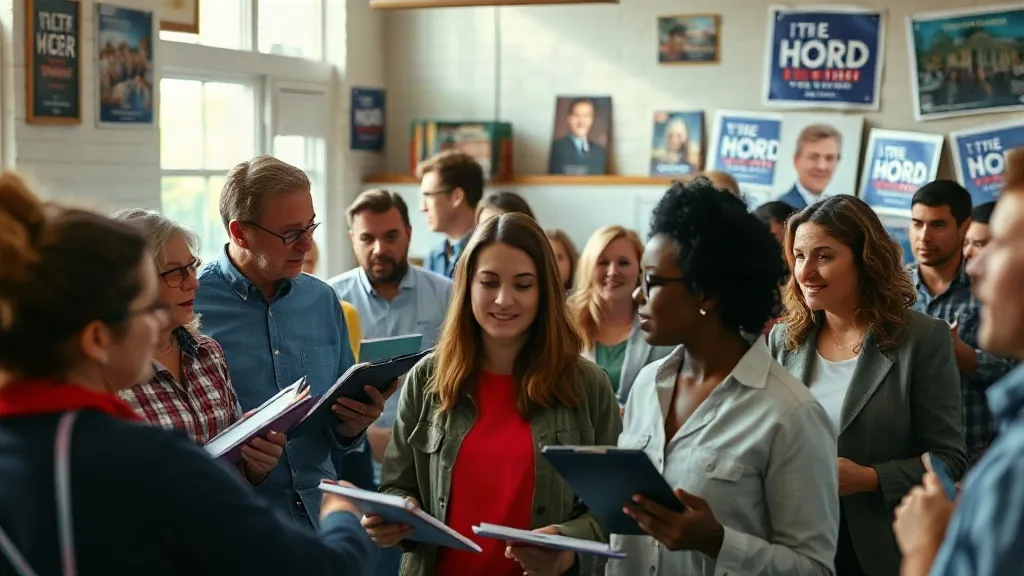
The 2022 midterm elections are still months away, but already the political world is buzzing with predictions. Most public polls show Democrats trailing Republicans on the generic congressional ballot, and historical trends suggest the president's party typically loses seats in the first midterm. Yet some analysts caution that Democrats could still defy expectations. The danger lies not in the polls themselves, but in the assumption that any lead, however small, will hold. Democrats must not take their opportunity to win the midterms for granted. The path to victory requires more than favorable numbers; it demands relentless organizing, a clear economic message, and a recognition that voters are not simply data points.
Polls Are Snapshots, Not Prophecies
Opinion polls are useful tools, but they are not infallible. They capture a moment in time, and they can be skewed by sampling errors, turnout models, and last-minute shifts in public sentiment. In 2016, most forecasts gave Hillary Clinton a comfortable lead in the popular vote and a strong chance of winning the Electoral College. In 2020, polls again underestimated Republican support in several key states. The lesson is clear: polls can mislead, and overconfidence can be fatal. For Democrats, the risk is that a narrow lead in generic ballot polling might breed complacency. If donors, volunteers, and voters believe the race is already won, they may ease off on the very activities that produce victories: knocking on doors, making phone calls, and turning out to vote.
The Economy Remains the Top Concern
Despite recent signs of slowing inflation, the cost of living remains the number one issue for many voters. Gas prices, grocery bills, and rent have all risen sharply over the past year. While the Biden administration points to job growth and low unemployment, those statistics often fail to resonate with families struggling to make ends meet. Democrats must address this disconnect head-on. Simply telling voters that the economy is strong when they feel otherwise can come across as tone-deaf. Instead, candidates need to offer concrete solutions: lowering prescription drug costs, investing in affordable housing, and expanding child care. They must also acknowledge the pain that inflation has caused, rather than dismissing it as a global phenomenon. Economic messaging will be critical in persuading swing voters that Democrats understand their daily struggles.
Turnout Is Not Guaranteed
Midterm elections historically favor the party out of power because the president's base tends to be less energized. In 2018, Democrats rode a wave of anti-Trump sentiment to win back the House. But that energy was fueled by grassroots outrage, not by polling leads. This year, with Democrats holding the White House and narrow majorities in Congress, motivating voters is harder. Many progressive and young voters are frustrated by the lack of progress on issues like climate change, student debt, and voting rights. If they stay home, Democrats will lose. The party must give these voters a reason to show up: by highlighting what is at stake, from abortion access to Social Security, and by demonstrating that their votes can make a difference. Voter turnout operations must be funded and staffed early, not cobbled together in the final weeks.
Learning from Past Mistakes
Democrats have a history of snatching defeat from the jaws of victory. In 2000, Al Gore's campaign was criticized for not fighting hard enough in key states. In 2016, Clinton's campaign neglected Wisconsin and Michigan, assuming those blue walls would hold. In 2020, Democrats lost seats in the House despite winning the presidency, partly because they underperformed with Latino and rural voters. Each of these episodes offers a warning: never assume any state or demographic is safely in your column. The party must compete everywhere, from rural counties to suburban districts, and engage with voters who may not fit neatly into traditional coalitions. This means listening to concerns about crime, immigration, and education, and responding with empathy rather than dismissal.
Republicans Are Not Standing Still
While Democrats debate their messaging, Republicans are focused on their own strengths. They have made gains with working-class voters, particularly in the Midwest and parts of the South. They are also pouring money into advertising that ties Democratic candidates to unpopular policies, such as defunding the police or open borders. Even if those attacks are misleading, they can be effective if left unanswered. Democrats cannot afford to let Republican messaging go unchallenged. They need a rapid-response operation that corrects the record and frames the choice for voters. Moreover, Republicans have an intensity advantage: their base is highly motivated to win back Congress and stop President Biden's agenda. Democrats must match that intensity with their own compelling vision.
The Stakes Could Not Be Higher
Control of Congress is not just about partisan bragging rights. It determines whether President Biden can pass legislation on climate, health care, and gun safety, or whether his agenda will be blocked by Republican majorities. It also affects the confirmation of judges, including potential Supreme Court vacancies. With the Court's conservative majority already poised to roll back abortion rights, the next justice could tip the balance for a generation. For voters who care about these issues, the midterms are not a referendum on the past two years; they are a choice about the future. Democrats must make that choice crystal clear. They cannot rely on voter anger alone; they must offer hope and a plan.
What Democrats Should Do Now
The good news for Democrats is that they still have time to shape the narrative. But time is running out. Here are key steps they should take immediately:
- Invest in grassroots organizing: Fund and train local volunteers to knock on doors, make calls, and register voters. Personal contact is still the most effective way to persuade and mobilize.
- Sharpen the economic message: Acknowledge inflation pain and offer specific solutions. Avoid jargon and focus on kitchen-table issues.
- Mobilize young and progressive voters: Address their concerns directly. Highlight achievements like the child tax credit and student debt relief, and promise more if given a larger majority.
- Counter Republican attacks early: Do not wait until October to respond to negative ads. Define your opponent before they define you.
- Protect voting rights: Support efforts to ensure every eligible voter can cast a ballot, and fight back against suppression tactics.
Frequently Asked Questions
Why are the midterms so important for Democrats?
The midterms will determine whether Democrats can keep control of Congress and continue to advance their legislative agenda. If Republicans win back the House or Senate, they can block President Biden's proposals, launch investigations, and potentially force government shutdowns. The outcome also affects the future of abortion rights, climate policy, and judicial appointments.
What does it mean to take the midterms for granted?
Taking the midterms for granted means assuming that current poll leads or historical trends will automatically translate into victories. It leads to complacency, reduced fundraising, and lower voter turnout. Democrats must avoid this trap by organizing as if they are behind, even when polls look favorable.
How can Democrats increase voter turnout?
Democrats can increase turnout by investing in early and sustained field operations, communicating a clear and inspiring message, and addressing the specific concerns of key constituencies such as young voters, voters of color, and working-class families. Making it easier to vote, through measures like early voting and vote-by-mail, also helps.
What role will the economy play in the midterms?
The economy is likely to be the single most important issue for many voters. Inflation, in particular, is a top concern. Democrats must present a credible plan to lower costs for families while also highlighting the strong job market and wage gains. Ignoring economic anxieties could cost them dearly.
Can Democrats overcome historical trends?
Yes, but it requires exceptional effort. Historical trends are not destiny. In 2002, Republicans gained seats in the midterms despite a Republican president, largely due to a focus on national security. Democrats can similarly defy expectations if they run a disciplined, well-funded campaign that speaks to voters' immediate needs and draws a sharp contrast with Republicans.