
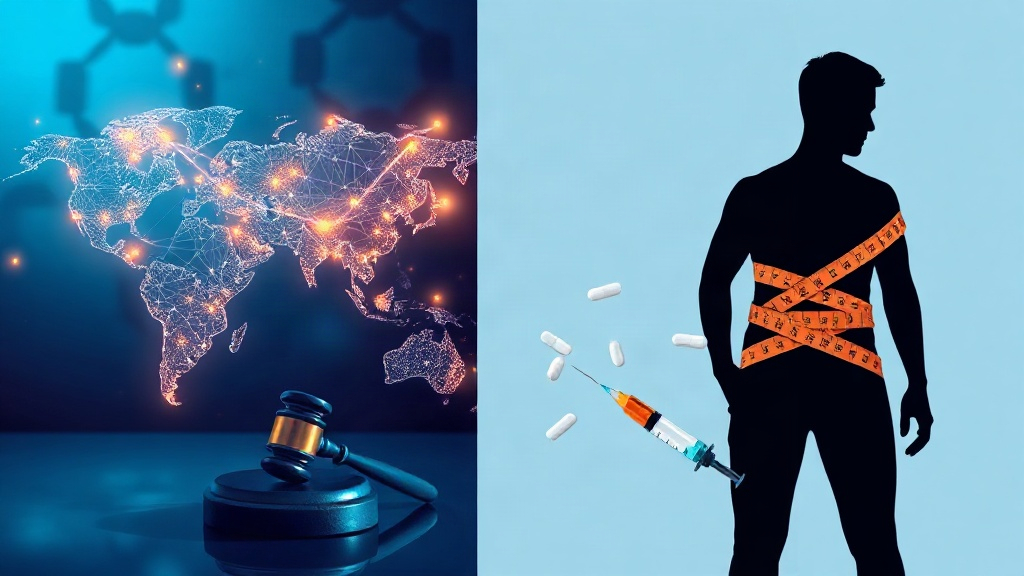
In the rapidly evolving landscape of pharmaceutical research and development, two significant developments are capturing industry attention: Western drugmakers are quietly but urgently lobbying the Trump administration to safeguard their ability to strike deals with Chinese biotech firms, and Roche has unveiled promising early data for an experimental obesity treatment. Together, these stories highlight the tensions and innovations shaping the future of medicine.
Pharma's Push to Preserve China Partnerships
Behind closed doors in Washington, representatives from some of the world's largest pharmaceutical companies are making a case that could reshape the global drug pipeline. According to people familiar with the discussions, these firms are urging the Trump administration to allow them to continue licensing drug candidates from Chinese companies, arguing that such collaborations are essential for maintaining a robust flow of innovative therapies.
The request comes amid escalating geopolitical tensions and a broader push by the U.S. government to decouple critical industries from China. For years, Western pharma has turned to China not only for manufacturing but also for early-stage research, leveraging the country's growing biotech ecosystem and vast patient populations for clinical trials. Now, with the administration considering stricter rules on technology transfer and foreign investment, drugmakers fear that a blanket ban could cut off a vital source of new medicines.
Cross-border licensing deals have become a cornerstone of big pharma's strategy to replenish pipelines without bearing the full cost and risk of early discovery. Companies like AstraZeneca, Merck, and Pfizer have all inked agreements with Chinese biotechs in recent years, gaining access to promising assets in oncology, immunology, and rare diseases. These deals often involve upfront payments and milestone commitments that can reach billions of dollars, underscoring their strategic importance.
Industry insiders argue that severing these ties would not only slow the arrival of new treatments but also cede ground to competitors in Europe and Asia. They point out that China has become a powerhouse in certain areas, such as antibody-drug conjugates and bispecific antibodies, where local firms are generating compelling data. Without access to these innovations, U.S. companies risk falling behind in the global race for breakthrough therapies.
Yet the lobbying effort faces an uphill battle. National security hawks in Congress and the administration worry that deeper commercial ties with China could lead to intellectual property theft or enhance China's military capabilities. The debate reflects a broader dilemma: how to balance economic and security concerns with the imperative to deliver life-saving drugs to patients.
For now, the pharmaceutical industry is hoping for a carve-out that would allow deals to proceed with enhanced scrutiny, rather than an outright prohibition. Whether they succeed will depend on how the administration weighs the strategic value of biomedical innovation against its tough stance on China.
Roche's Obesity Drug Shows Early Promise
On the other side of the Atlantic, Roche has provided a glimpse of its ambitions in the red-hot obesity market. The Swiss giant recently reported early-stage clinical data for an experimental drug that aims to help patients shed pounds by targeting multiple metabolic pathways. While the details are still limited, the results have sparked cautious optimism among analysts and investors.
Obesity has become a fiercely competitive arena, dominated by Novo Nordisk's Wegovy and Eli Lilly's Zepbound. These GLP-1 receptor agonists have revolutionized treatment, offering unprecedented weight loss and cardiovascular benefits. But they also come with limitations, including gastrointestinal side effects, the need for injections, and high costs. Roche's candidate, if successful, could offer an alternative mechanism or improved tolerability.
According to company statements, the drug is being developed for both obesity and related conditions such as type 2 diabetes and cardiovascular disease. In early trials, it has shown encouraging signs of efficacy and safety, though full data will be presented at an upcoming medical conference. Roche has not disclosed the exact number of patients or the magnitude of weight loss, but the mere fact that it is advancing a novel agent has drawn attention.
Roche's obesity drug represents a strategic bet on a market projected to exceed $100 billion by the end of the decade. The company has a strong heritage in metabolic research, having developed blockbuster treatments for diabetes in the past. However, it missed the first wave of GLP-1 success, and now it is playing catch-up. By investing in next-generation approaches, Roche hopes to differentiate itself and capture a share of the expanding market.
Analysts note that the obesity space is still in its infancy, with room for multiple winners. Patients respond differently to existing therapies, and there is a pressing need for options that are more convenient, affordable, and effective. If Roche's drug can demonstrate superior weight loss or a better side effect profile, it could become a formidable contender.
However, the path to approval is long and fraught with risk. Many experimental obesity drugs have failed in later-stage trials due to safety concerns or lackluster efficacy. Roche will need to generate robust data across diverse patient populations and secure favorable reimbursement from payers. The company has not yet announced the timeline for larger trials, but experts expect pivotal studies to begin within the next year.
Implications for the Industry
These two narratives are not isolated. They reflect the broader forces shaping pharmaceutical innovation: globalization, geopolitical friction, and the relentless pursuit of new treatments for chronic diseases. The outcome of the China deal debate could determine how quickly Western companies can access cutting-edge science from abroad, while Roche's progress in obesity underscores the intensifying competition to address one of the world's most pressing health challenges.
For patients, the stakes are high. Restricting cross-border collaborations might delay the arrival of novel therapies, particularly for rare diseases where Chinese biotechs have made significant strides. Conversely, a more permissive approach could accelerate the development of treatments for cancer, autoimmune disorders, and metabolic conditions.
As the Trump administration weighs its options, the pharmaceutical industry will continue to advocate for policies that foster innovation while addressing legitimate security concerns. Meanwhile, Roche and its rivals will push forward in the lab, driven by the promise of transforming obesity care. The coming months will reveal whether these efforts bear fruit or face new hurdles.
Frequently Asked Questions
Why are Western pharma companies lobbying to keep China deals?
They rely on licensing agreements with Chinese biotechs to bolster their drug pipelines. These deals provide access to innovative candidates without the high costs of early-stage research. A ban could disrupt the flow of new medicines and put them at a competitive disadvantage globally.
What is Roche's new obesity drug and how does it work?
Roche's experimental drug is designed to target multiple metabolic pathways to induce weight loss. While exact mechanisms are undisclosed, it likely differs from current GLP-1 agonists. Early data suggest it may offer an alternative for patients who don't respond well to existing therapies.
How does Roche's candidate compare to Wegovy and Zepbound?
It's too early to tell. Wegovy and Zepbound have proven efficacy and established safety profiles. Roche's drug could potentially offer better tolerability, oral dosing, or greater weight loss, but these advantages must be demonstrated in larger trials.
What are the risks of restricting U.S.-China pharma collaborations?
Restrictions could slow innovation, delay patient access to new treatments, and weaken U.S. competitiveness. China is a key source of novel drug candidates, and cutting ties might push companies to look elsewhere or miss out on promising science.
When will Roche's obesity drug be available?
It will take several years. The drug is in early-stage testing. Roche must complete multiple phases of clinical trials, submit for regulatory approval, and secure reimbursement before it reaches the market. No timeline has been announced.