
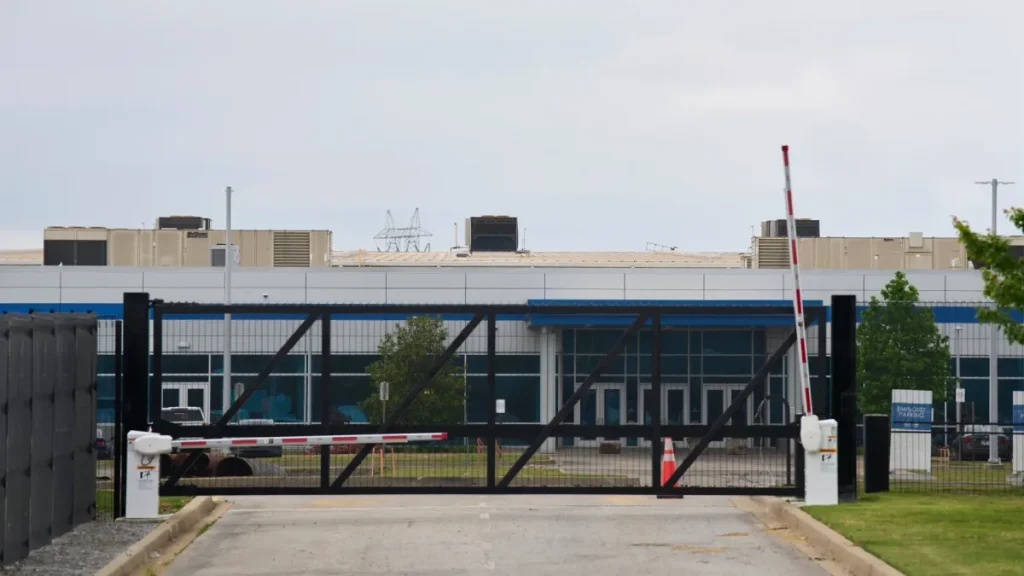
The artificial intelligence revolution is moving at a breathtaking pace across the globe. To maintain this momentum, technological companies require massive amounts of electricity to run their advanced computing systems. Recognizing this critical need, U.S. Federal regulators have officially intervened to overhaul the national electrical framework. They are issuing strict orders compelling regional grid operators to rapidly supply reliable power to emerging AI data centres. This decisive action ensures that bureaucratic delays do not stifle modern digital innovation.
Accelerating the Infrastructure Timeline
For many years, securing a commercial connection to the national power network was a notoriously slow process. Bureaucratic red tape and outdated evaluation metrics forced companies to wait in line for months or even years. However, U.S. Federal regulators have firmly decided that the modern economy cannot survive under these archaic administrative timelines. They have demanded immediate overhauls to regional transmission planning protocols.
Under the newly issued guidelines, local grid operators must dramatically streamline their application queues. They are legally required to evaluate and approve connection requests for high-capacity projects much faster than before. This regulatory push guarantees that newly constructed AI data centres can power on and begin their complex computational tasks without facing endless administrative gridlock.
Addressing the Massive Energy Thirst
The computational power required to train large language models is truly unprecedented in the history of commercial technology. These modern computing facilities require enormous, continuous streams of high-voltage electricity to function. U.S. Federal regulators understand that this surging demand places extraordinary stress on existing physical infrastructure. The goal is to provide enough power without compromising the stability of the entire network.
Beyond simple processing power, these AI data centres also utilize massive cooling systems to prevent server meltdowns. If grid operators fail to manage this localized energy thirst correctly, surrounding neighborhoods could face severe voltage drops or rolling blackouts. Therefore, the federal mandate includes strict reliability checks to ensure safe and continuous electricity distribution.
Protecting Everyday Utility Consumers
A primary concern during this rapid industrial expansion is the financial impact on standard residential households. U.S. Federal regulators have been explicitly clear that everyday citizens will not foot the bill for corporate technological growth. The regulatory orders include specific language designed to protect local ratepayers from unexpected price hikes.
To comply with these consumer protection laws, grid operators must carefully separate standard transmission costs from specific commercial upgrades. The billion-dollar corporations building these enormous AI data centres are strictly required to pay for their own localized network enhancements. This ensures a fair economic balance where technology thrives without financially burdening working-class families.
Exploring Alternative Generation Sources
Finding enough raw electricity to satisfy this booming sector requires highly creative engineering solutions. To bypass heavily congested power lines, U.S. Federal regulators are strongly encouraging a strategy known as co-location. This approach involves building the computing facilities directly adjacent to massive power sources, such as nuclear generation plants or large natural gas facilities.
By placing AI data centres right next to the power source, developers can completely skip the traditional, congested transmission networks. This clever spatial arrangement allows grid operators to maintain their regular distribution schedules for residential areas seamlessly. It represents a highly efficient method to secure massive energy blocks without disrupting the broader national electrical grid.
Maintaining National Tech Supremacy
The race to dominate the artificial intelligence sector is a matter of profound global importance. Competing nations are heavily subsidizing their own technology sectors to gain a geopolitical edge. U.S. Federal regulators recognize that domestic companies must have unrestricted access to vital resources to win this international competition.
Providing fast, reliable electricity to AI data centres is the absolute foundation of this digital arms race. When grid operators work efficiently, American software developers can deploy their advanced algorithms much faster than their overseas rivals. This strategic energy policy is fundamentally designed to protect national security and ensure long-term domestic economic dominance.
Sustainable Practices for the Future
While rapid growth is essential, environmental responsibility remains a key pillar of modern governance. U.S. Federal regulators are actively monitoring the ecological footprint of this massive industrial expansion. They are pushing technology giants to invest heavily in renewable energy projects to offset their massive carbon output.
Many corporations are already partnering directly with grid operators to fund new solar arrays and wind farms. By pumping clean energy back into the system, these AI data centres can eventually achieve carbon-neutral operations. This collaborative effort ensures that the pursuit of digital supremacy does not come at the cost of a healthy, sustainable physical environment.
Conclusion
In conclusion, the bold intervention by U.S. Federal regulators marks a historic turning point for the technological landscape. By legally compelling grid operators to rapidly power AI data centres, the government is actively securing a prosperous digital future. To track the latest developments in national energy policies and technology markets, keep reading Global News Network. Subscribe to our daily business newsletter right now to receive expert insights and breaking updates delivered directly to your inbox.
Frequently Asked Questions
Why did U.S. Federal regulators issue this new order?
The U.S. Federal regulators issued the directive to eliminate bureaucratic delays and ensure that massive computing facilities receive electricity fast enough to support rapid technological advancements.
What is the role of grid operators in this process?
Regional grid operators are responsible for managing the physical distribution of electricity, and they must now streamline their connection queues to accommodate large commercial loads quickly.
Why do AI data centres need so much power?
Modern AI data centres require immense electricity because they run tens of thousands of advanced processors simultaneously, which also demands continuous, high-capacity cooling systems to prevent overheating.
Will residential electric bills go up because of this?
No, the federal mandate explicitly protects consumers by ensuring that the technology companies pay for the specific electrical upgrades required to power their new facilities.
What is co-location in the energy sector?
Co-location involves building computing warehouses directly next to power generation plants, allowing them to draw electricity directly and avoid congesting standard community power lines.