
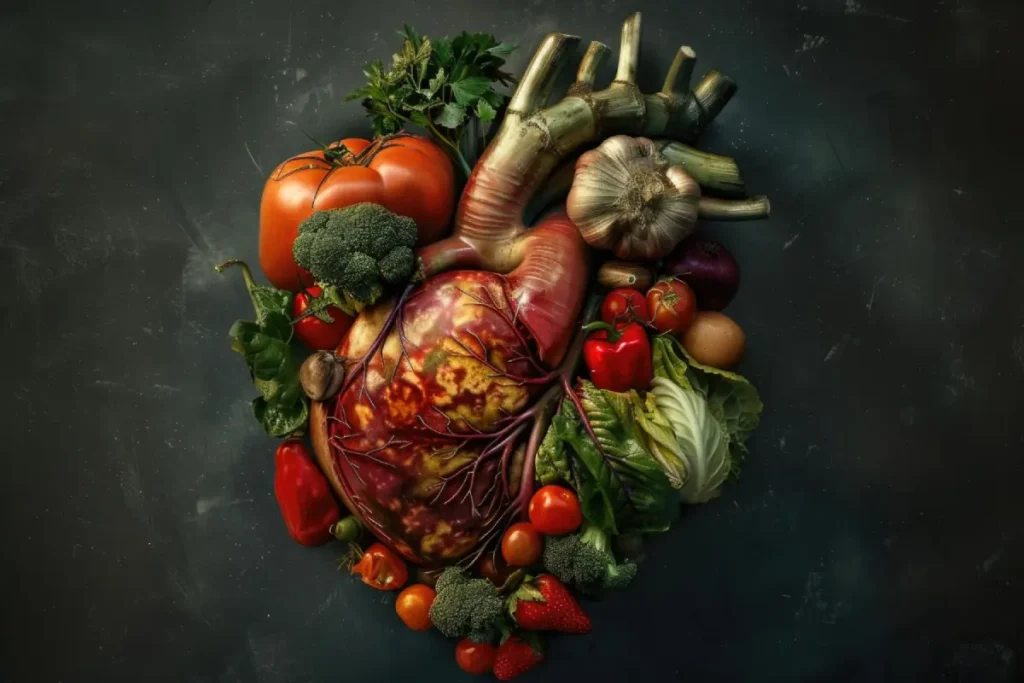
For decades, nutritional guidelines around the globe have repeated a simple, unmistakable mantra to protect cardiovascular health: eat at least five portions of fruits and vegetables daily. However, groundbreaking clinical insights published this June have completely disrupted this traditional advice. A major international study reveals that simply hitting your volumetric targets isn’t enough to prevent cardiovascular disease because not all produce provides equal protection. According to the research, your cardiovascular system specifically craves micronutrients known as flavanols, and incorporating the specific top five-a-day foods identified by scientists is the absolute key to unlocking genuine longevity.
The Groundbreaking Science Behind the Flavanol Paradigm
The landmark study, published in the prestigious journal Food & Function, was co-led by visionary researchers from the University of Reading, Harvard Medical School, and the University of California Davis. By tracking the long-term dietary habits and biological markers of more than 30,000 participants across the United Kingdom and the United States, the team uncovered a startling statistical reality. Fewer than one in five individuals actually consume enough plant-based antioxidants to achieve real cardiovascular protection, even when they successfully meet standard health guidelines.
The core issue lies in our lack of specificity when selecting our daily produce. Traditional public health campaigns emphasize quantity over quality, assuming that any mix of greens and fruits will provide identical systemic benefits. In reality, previous data from the massive COSMOS trial proved that a precise daily threshold of 500 milligrams of flavanols is required to lower the risk of dying from heart disease by a stunning 27 percent. To hit this vital therapeutic target, individuals must deliberately restructure their shopping baskets to prioritize the exact top five-a-day foods proven to support vascular function.
1. Plums: The Undisputed Heavyweight of Cardiovascular Defense
When it comes to concentrated cardiovascular protection, plums have officially claimed the top spot on the nutritional ladder. The recent international data indicates that a standard 500-gram serving of fresh plums delivers an astonishing 450 milligrams of pure flavanols. This single dietary choice nearly satisfies your entire daily heart-protection requirement, making it the most efficient option available on modern supermarket shelves.
The high concentration of active compounds within plums works systematically to improve endothelial health, allowing blood vessels to dilate and contract with optimal flexibility. This natural elastic response directly minimizes arterial stiffness, providing a powerful mechanism for regulating systemic blood pressure numbers naturally. Integrating this stone fruit into your routine represents a primary example of how the top five-a-day foods shield your body from chronic hypertensive stress.
2. Blackberries: Anthocyanin and Flavanol Powerhouses
Deeply pigmented berries have long been celebrated by nutritionists, but the latest biomarker tracking data places blackberries in a league of their own. A modest 200-gram portion of these dark berries yields approximately 250 milligrams of heart-boosting compounds. This makes them an incredibly dense source of molecular defense, easily outpacing more common choices like bananas or tropical fruits.
Beyond their impressive structural composition, blackberries are packed with soluble dietary fiber and essential vitamin C, which actively work together to lower circulating low-density lipoprotein cholesterol levels. By preventing the dangerous oxidation of cholesterol within the bloodstream, these tart berries systematically halt the formation of arterial plaque. Personal care experts note that prioritizing these berries over less nutrient-dense alternatives is a perfect execution of the top five-a-day foods framework.
3. Green Tea: The Ultimate Cardiovascular Beverage Companion
While technically a beverage rather than a solid fruit, high-quality brewed green tea was highlighted by the research team as a mandatory addition to a heart-conscious lifestyle. A single, standard 250-ml cup of properly steeped green tea leaves introduces roughly 200 milligrams of highly bioavailable flavanols into your metabolic system, providing an immediate boost to your daily vascular defense metrics.
The primary active compounds found in green tea, known scientifically as epigallocatechin gallate, possess profound anti-inflammatory properties that soothe the delicate inner linings of your cardiac arteries. Regular consumption effectively suppresses systemic inflammation markers that are traditionally linked to acute myocardial events. Swapping out sugary afternoon beverages for a warm cup of unrefined green tea is a highly recommended strategy to integrate the top five-a-day foods into a busy corporate schedule.
4. Broad Beans: The Essential Plant-Based Vascular Protector
Legumes are frequently praised for their high protein and fiber content, but the international study shed light on a specific bean that possesses rare cardiovascular properties. A small, 80-gram handful of fresh broad beans, also known widely as fava beans, delivers a respectable 140 milligrams of vital flavanols, making them the highest-performing vegetable option tested in the comprehensive dietary trial.
Broad beans are also uniquely rich in L-dopa, a natural compound that clinical studies suggest can help improve overall body composition and support healthy cardiac muscle contraction. The combination of dense antioxidants and essential minerals like potassium allows these legumes to assist the kidneys in flushing out excess systemic sodium. Including a serving of these vibrant green beans in your weekly meal-prep rotation perfectly mirrors the structural dietary shifts demanded by the top five-a-day foods philosophy.
5. Apples with Skin: Accessible, Everyday Heart Protection
The timeless old adage regarding an apple a day has finally received definitive, biomarker-validated confirmation from modern laboratory scientists. A single medium-sized apple provides approximately 110 milligrams of essential flavanols, assuming you consume the fruit entirely with its outer skin intact. Peeling your fruit completely eliminates these valuable molecules, stripping away the primary source of its clinical value.
The outer peel of an apple contains highly concentrated levels of quercetin, a powerful antioxidant that directly prevents blood platelets from clumping together abnormally. This natural anti-clotting effect drastically reduces the long-term risk of ischemic stroke and deep vein thrombosis. Making a conscious, daily effort to snack on whole, unpeeled organic apples is an effortlessly simple, cost-effective method to satisfy the top five-a-day foods guidelines without breaking your budget.
Conclusion
In summary, the revelatory findings of this summer’s clinical research make it undeniably clear that the specific choices we make at the grocery store dictate our long-term cardiac outcomes far more than total food volume. Transitioning your diet to actively feature the top five-a-day foods—specifically plums, blackberries, green tea, broad beans, and whole apples—provides a proven, scientifically sound shield against cardiovascular decline. To track the latest nutritional studies and wellness breakthroughs, continue following Wealthcrest Insights for expert-level guidance. Take charge of your arterial health today by revamping your personal meal plans to include these high-performance ingredients immediately.
Frequently Asked Questions
Why is the new study on flavanols so significant for heart health?
The new study is highly significant because it proves that simply eating any five portions of produce does not guarantee cardiac protection. It establishes that choosing specific top five-a-day foods rich in flavanols is necessary to reach the 500mg daily threshold required to lower cardiovascular mortality.
Can I get the same heart benefits if I peel my apples?
No, you cannot. The vast majority of the heart-protecting flavanols and antioxidants are stored directly within the colorful outer skin of the fruit. Peeling your apples removes these crucial compounds, preventing you from utilizing them as part of your top five-a-day foods strategy.
Does black tea provide the same vascular benefits as green tea?
While black tea does contain a respectable amount of beneficial plant polyphenols, green tea undergoes significantly less oxidation during processing, allowing it to retain a much higher concentration of the specific active flavanols your heart needs to maintain flexible blood vessels.
How many flavanols should I consume daily to protect my heart?
According to extensive clinical data from the landmark COSMOS trial cited by researchers, individuals should aim to consume at least 500 milligrams of flavanols every day to achieve a significant 27 percent reduction in their overall risk of dying from cardiovascular disease.
Are frozen blackberries and plums as effective as fresh versions?
Yes, flash-frozen fruits are incredibly effective and retain virtually all of their structural flavanol content. Utilizing frozen options is an excellent, budget-friendly way to consistently consume your top five-a-day foods regardless of shifting agricultural seasons.